

In the tropical regions of Southeast Asia and Africa, palm oil production faces unique challenges due to the high - temperature, high - humidity climate and unstable power supply. The cold and hot double pressing palm oil press developed by QIE Group has become the preferred choice for local planters. This article will conduct an in - depth analysis of this technology.
The cold and hot double pressing technology combines cold pressing and hot pressing. Cold pressing is carried out at a lower temperature, which can effectively preserve the natural nutrients and flavor of palm oil. Hot pressing, on the other hand, can break down the cell walls of palm fruits more thoroughly, increasing the oil yield. The specific process starts with cold pressing to obtain high - quality primary oil, and then hot pressing is used to further extract the remaining oil in the palm fruit residue.
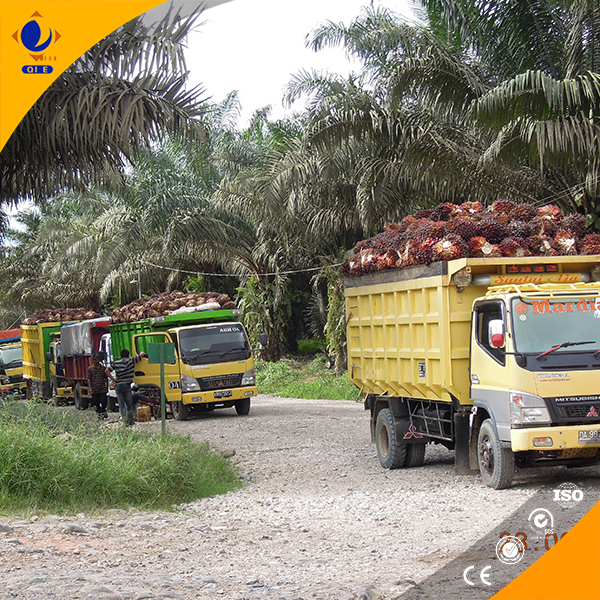
In tropical regions, the high - humidity environment can cause problems such as corrosion of equipment and reduced oil quality. Traditional single - pressing methods are more susceptible to these factors. For example, in a high - humidity environment, the oil extracted by single - pressing may have a higher moisture content, which affects the storage and quality of the oil. The cold and hot double pressing technology can effectively reduce the moisture content in the oil through the hot - pressing process, improving the oil quality. Moreover, the unstable power supply in these regions requires equipment with strong adaptability. The cold and hot double - pressing machine of QIE Group is designed with a power - saving mode, which can still operate stably under low - voltage conditions.
When it comes to oil quality, the cold and hot double - pressing process can retain more natural antioxidants and vitamins in palm oil. In terms of oil yield, data shows that the oil yield of the cold and hot double - pressing method can reach about 20% - 30% higher than that of the traditional single - pressing method. As for equipment adaptability, traditional single - pressing machines are more likely to break down in high - humidity and high - temperature environments, while the cold and hot double - pressing machines have better heat - dissipation and anti - corrosion designs, reducing the frequency of equipment failures.
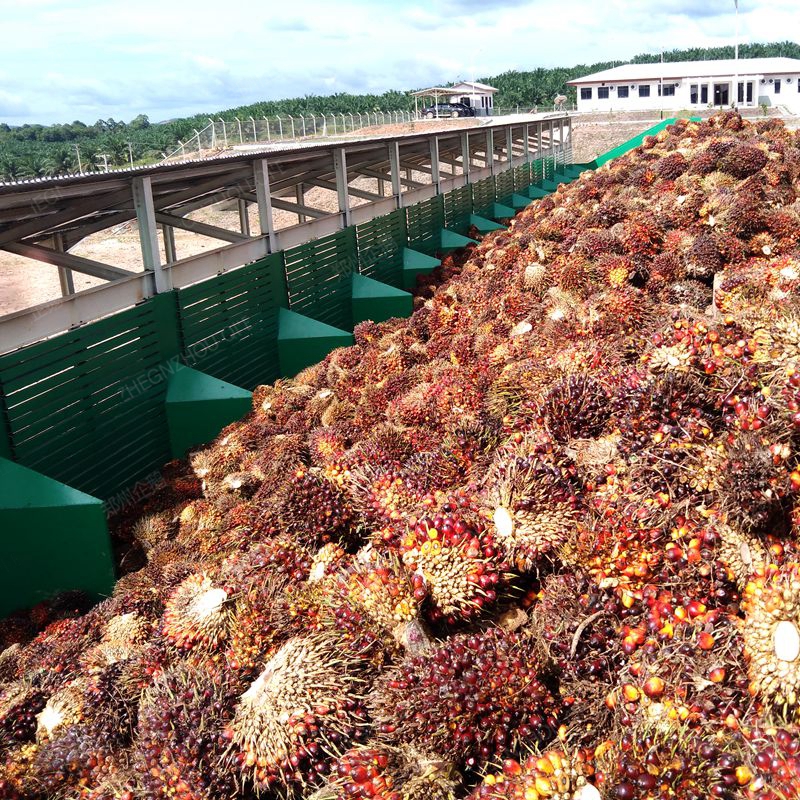
In a palm oil plantation in Malaysia, a planter switched from a traditional single - pressing machine to a cold and hot double - pressing machine of QIE Group. Before the switch, the average oil yield was only about 40%, and the oil quality was not stable. After using the new machine, the oil yield increased to about 55%, and the oil quality met international standards. At the same time, the equipment failure rate decreased significantly, reducing the maintenance cost and production interruption time.
When purchasing a cold and hot double - pressing palm oil press, planters should first consider the scale of their plantation and production requirements. They should also pay attention to the equipment's power consumption, oil yield, and after - sales service. QIE Group provides a full - range of after - sales services, including equipment installation, debugging, and regular maintenance. This ensures that planters can get timely help when they encounter problems, achieving sustainable and stable production.
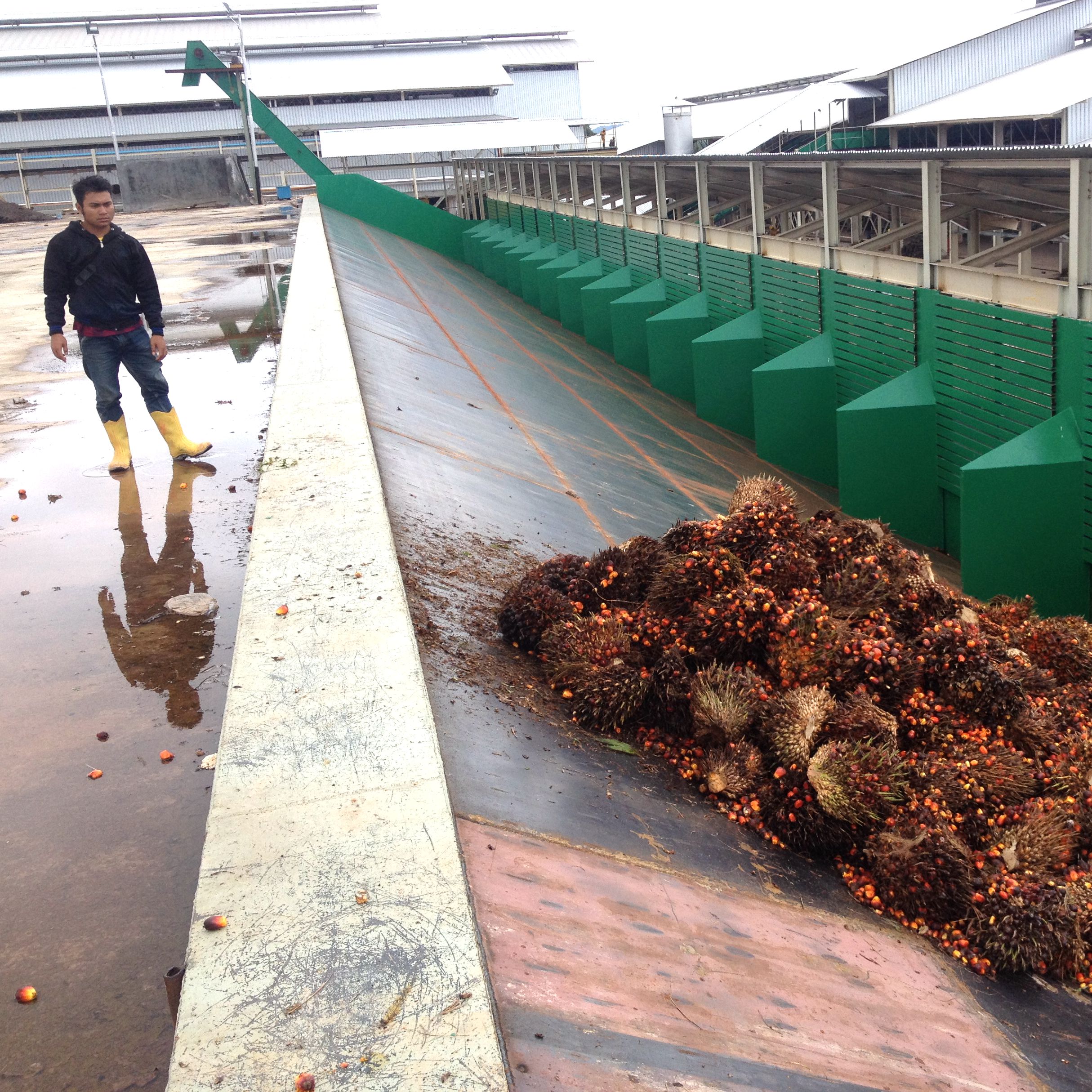
Are you a palm oil planter in the tropical region? Do you want to improve your palm oil production efficiency and quality? Click here to learn more about the cold and hot double - pressing palm oil press and get a customized solution!


