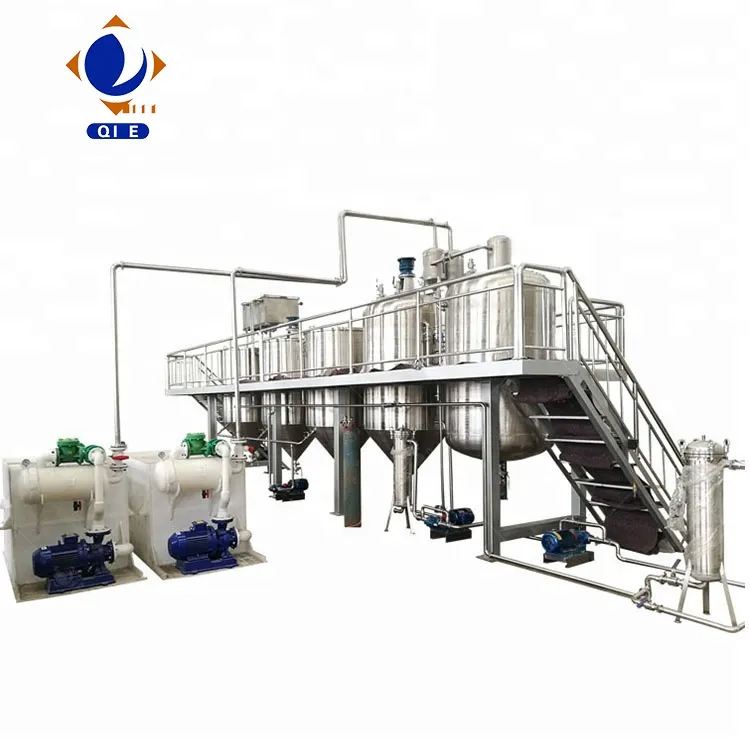
In the agricultural machinery market of tropical regions such as Southeast Asia and Africa, the choice of pressing equipment with CE + ISO certification is becoming increasingly crucial for small and medium-sized farmers. This article will delve into the significance of CE and ISO9001:2000 certifications, and provide practical insights and real - life examples.
CE certification is a mandatory conformity mark for products sold within the European Economic Area (EEA). Although it is a European standard, it has gained wide international recognition. It indicates that the product meets health, safety, and environmental protection requirements. ISO9001:2000, on the other hand, is a globally recognized quality management system standard. According to a report by FAO/UNIDO, products with ISO9001 certification are 30% more likely to achieve stable quality control in long - term operations.
For small and medium - sized farmers in tropical regions, these certifications mean access to high - quality, reliable equipment. They can ensure that the pressing equipment is safe to use, has low maintenance costs, and is more likely to meet local regulatory requirements.
The agricultural machinery markets in Southeast Asia and Africa have different regulatory requirements. In some African countries, local regulations emphasize the safety performance of equipment, while in Southeast Asia, environmental protection and energy - efficiency standards may be more important. A common misconception among farmers is that as long as the equipment can operate, certification is not necessary. However, this can lead to significant risks.
By comparing uncertified and certified equipment, we can see notable differences. Uncertified equipment may have a 20% higher probability of safety accidents and a 15% higher maintenance cost in the long - run compared to certified equipment. Moreover, uncertified equipment may face restrictions in terms of government subsidies and export opportunities.
Let's take a real - life case. A small farm in Southeast Asia was using uncertified pressing equipment. Due to non - compliance with local safety regulations, the farm was fined a substantial amount. After the incident, they decided to replace the equipment with a CE + ISO certified model. The new equipment not only improved the safety of the operation but also made it easier for the farm to apply for government subsidies. As a result, the farm's production efficiency increased by 25%, and the cost of maintenance decreased significantly.
Using certified pressing equipment brings multiple long - term business advantages. First, it ensures stable operation. With reliable quality and performance, the equipment has a lower failure rate, reducing production interruptions. Second, it allows farmers to enjoy policy dividends. Governments in many tropical regions offer subsidies for certified agricultural machinery, which can significantly reduce the purchase cost. Finally, it enhances brand trust. When farmers use certified equipment, it not only benefits their own operations but also helps to build a good reputation in the industry.
If you want to easily pass policy thresholds and achieve sustainable returns in the tropical agricultural market, choosing CE + ISO certified pressing equipment is the key. Unlock Your Agricultural Success with Certified Equipment