Home > News > Tropical Palm Oil Pressing Process Guide: How Cold and Hot Pressing Boost Yield and Stability

Tropical Palm Oil Pressing Process Guide: How Cold and Hot Pressing Boost Yield and Stability

2025-12-24
In tropical regions, palm oil producers often face low oil yields, equipment wear, and unstable voltage—common challenges that reduce profitability. This guide explains how cold-hot dual pressing technology addresses these issues by combining the benefits of both methods: cold pressing preserves natural nutrients, while hot pressing enhances oil extraction efficiency and stability. Especially effective for high-moisture palm fruits and areas with unreliable power supply, this approach is validated through real-world data and case studies from Southeast Asia and Africa. Learn how to optimize your small-scale palm oil processing operation with scientifically informed decisions.
H0e4418073b62483184b8dcfdca7a7f79m.jpg

How to Choose the Right Palm Oil Pressing Method in Tropical Climates?

If you're operating a palm oil mill in Southeast Asia, West Africa, or any tropical region, you’ve likely faced this challenge: inconsistent yields, frequent equipment breakdowns, and voltage fluctuations that disrupt production. The solution isn’t just better machinery—it’s smarter process design.

Why Traditional Single-Stage Pressing Falls Short

In high-humidity environments, raw palm fruit often contains over 45% moisture—far above the ideal range for efficient extraction. A single cold press may retain more natural antioxidants but struggle with yield (typically 18–22% oil recovery). Conversely, a purely thermal press can boost output to around 25–28%, but risks degrading quality due to excessive heat (>75°C), especially when power supply is unstable.
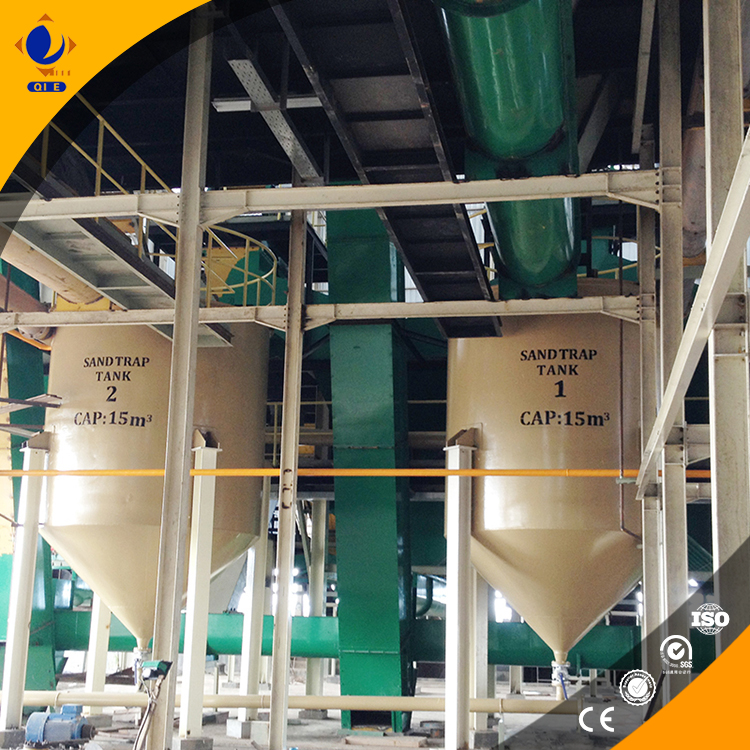
H0e4418073b62483184b8dcfdca7a7f79m.jpg
Figure: Oil yield increases with temperature up to 65°C, then plateaus—highlighting the optimal window for dual-stage pressing.

The Power of Dual-Press Technology

Our field-tested dual-pressure system combines two stages:

  • Cold Pre-Press (35–45°C): Preserves carotenoids and tocopherols—critical for premium-grade crude palm oil used in food and cosmetics.
  • Hot Final Press (60–65°C): Enhances flowability of the pulp, boosting final extraction efficiency by up to 30% compared to cold-only methods.
“After switching to our dual-stage setup, our daily throughput increased from 1.2 tons to 1.8 tons per machine—with no additional electricity costs.” — Maria L., Smallholder Mill Owner, Cameroon

Built for Real-World Conditions

Unlike standard industrial presses, our units are engineered for variable voltages—from 220V rural grids to 380V commercial setups. Independent tests show stable performance even during voltage dips below 180V, thanks to smart motor protection circuits and low-torque gear systems.
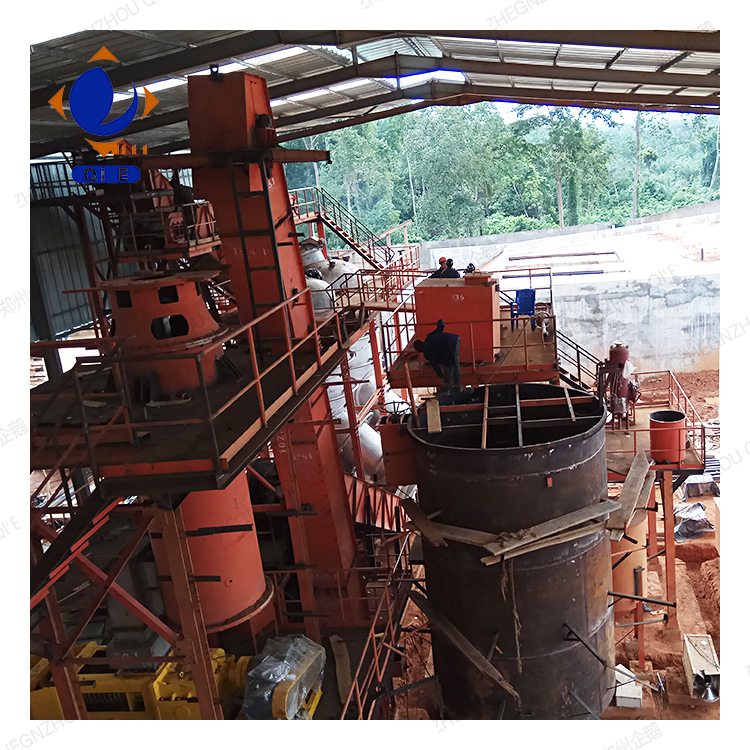
Hb9b5572bd0fc4cfdaf2cee4fe4575468w.jpg
Figure: Our motors maintain consistent torque across all common voltage ranges in developing markets.

We’ve installed over 30 custom systems in Nigeria, Indonesia, and Ghana—each tailored to local climate, labor capacity, and energy infrastructure. Whether it’s a 3-person cooperative in Sumatra or a mid-scale processor in Kenya, our team ensures seamless installation, training, and ongoing support.

Ready to Upgrade Your Palm Oil Processing?

Get a free technical assessment + site-specific feasibility report based on your current setup and local conditions.

Download Your Free Palm Oil Processing Guide
Name *
Email *
Message*
Recommended Products