

As a small to medium farm owner, the complexity of installing and fine-tuning your spiral oil press machine can be daunting. However, with the right approach, you can quickly get your equipment up and running—maximizing your palm oil processing efficiency without costly downtime. This guide walks you through every essential step, from preparing the installation site to the first pressure calibration, tailored precisely to your machine’s dimensions (1400*600*600mm) and daily operation needs.
Begin by selecting a dedicated space that accommodates your spiral press’s footprint of approximately 1.4m by 0.6m, ensuring there is enough clearance around it for maintenance and cleaning. Ground leveling is critical—aim for a flat, stable concrete surface with less than 5mm unevenness across the space to minimize vibration and wear during operation.
Assess your power supply carefully: the press supports 220V, 380V, or 440V systems. Confirm voltage matches your farm’s grid to avoid electrical faults. Employ a qualified electrician to install dedicated circuit breakers and emergency shut-off switches for safety compliance.
The spiral press is built with high-strength iron structures designed to withstand frequent moves and rugged farm environments without deformation. Once unpacked, verify all parts against the packing list, including the spiral screw, motor, control panel, and oil outlet components.
Assemble according to the user manual, focusing on securely fixing the main body and aligning the spiral screw centrally. Incorrect assembly can cause excessive wear or reduced oil yield.
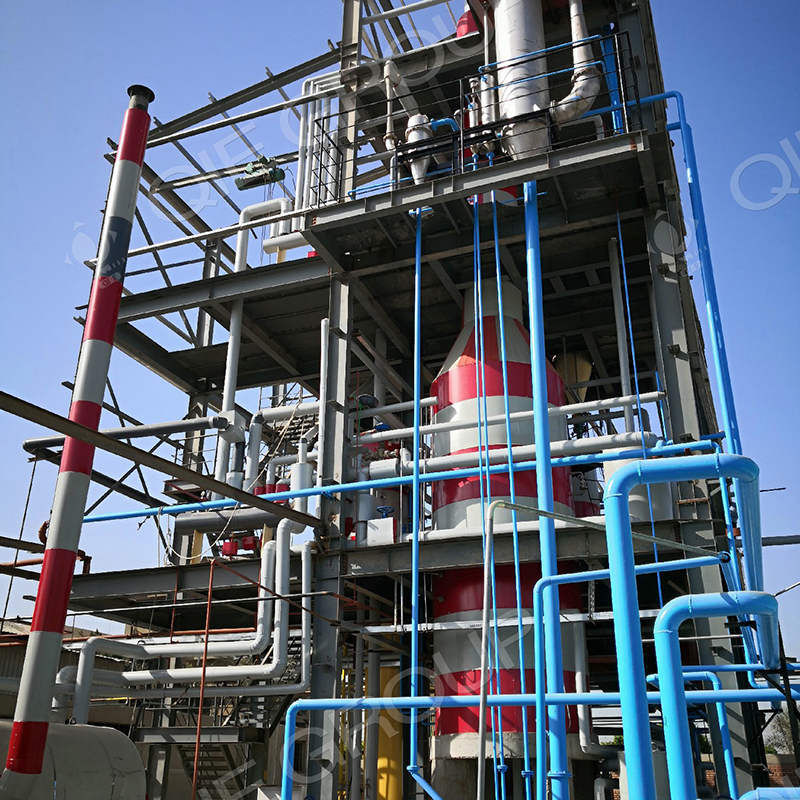
Before powering up, double-check that wiring conforms to specifications. On startup, gradually increase operational pressure while observing the oil flow. Ideally, a well-tuned 500 kg/h output should maintain consistent oil clarity with minimal residue. Adjust the pressing pressure in small increments and allow the machine to stabilize for 10 minutes before final calibration.
Listen for any unusual noises or vibrations, which often indicate misalignment or insufficient lubrication. Use the machine’s control panel to monitor temperature and motor load. Optimal temperature ensures the dual cold-hot pressing technique functions efficiently, preserving oil quality.
Regular cleaning is a cornerstone for maximizing lifespan. After each batch, clean residual pulp from the spiral and oil chamber using warm water and a soft brush. Avoid abrasive materials which may damage the iron structure.
Common issues include:
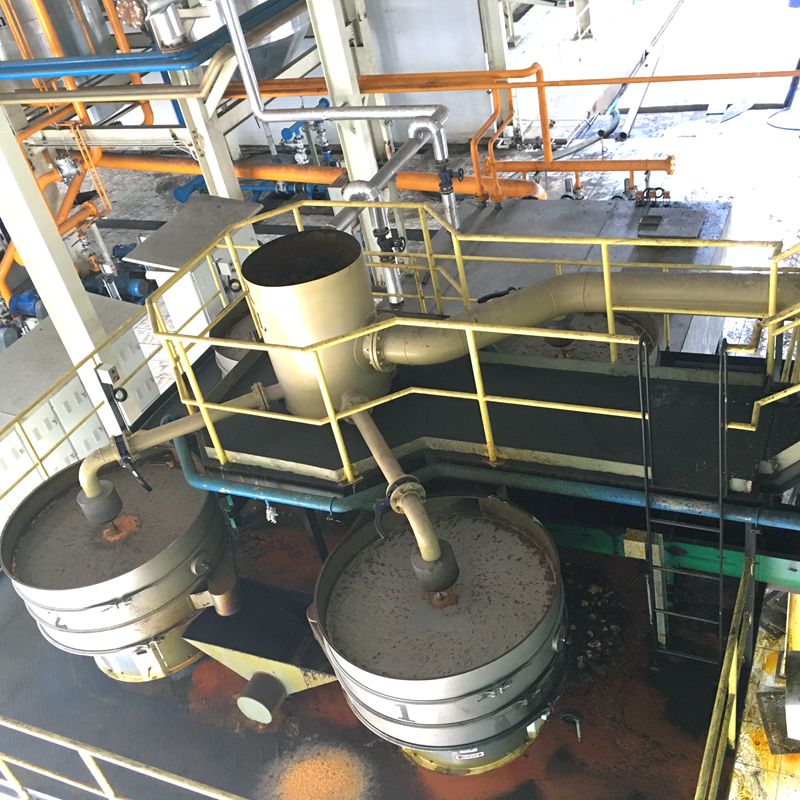
Many farm owners in Southeast Asia have successfully boosted productivity by following precise installation and maintenance routines like the ones outlined here. Taking early action on installation quality directly reduces downtime and maintenance costs.
For further guidance, technical support, or to obtain detailed reference manuals and inspection logs, access our downloadable PDF installation handbook or schedule personalized remote assistance with our qualified engineers.
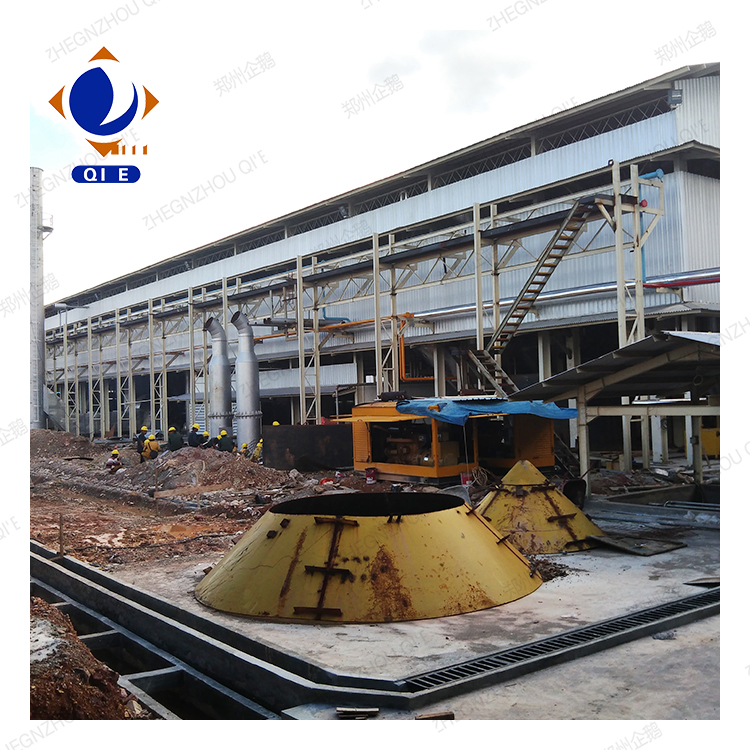
Ready to maximize your palm oil extraction? Download the Complete PDF Installation Manual or Book Your Remote Technical Consultation today to ensure a hassle-free setup and optimal machine performance.


