Spiral Oil Pressing for On‑Farm Edible Oil: Boost Yield and Cut Energy Use
Discover how spiral pressing can transform your farm’s edible oil production by increasing oil yield and lowering energy consumption. This article explains the spiral press principle, practical pre‑treatment controls (moisture targets and crush size), and optimized operating settings (temperature, pressure, screw speed) so you can achieve higher extraction efficiency with lower costs. A real cooperative case shows up to 30% energy reduction after implementing optimized pre‑treatment and run parameters; robust carbon‑steel construction and international‑grade components also extend equipment life and reduce maintenance. You’ll also learn about low‑emission design features for greener on‑farm processing and how to get a tailored efficiency diagnostic to apply these upgrades to your operation.
How Spiral (Screw) Press Technology Boosts Your On‑Farm Edible Oil Yield — Practical, Energy‑Saving Steps
If you run a small farm or an agricultural cooperative and want to produce clean, local edible oil, spiral (screw) pressing is one of the most practical routes. This guide explains the core press principle, how pre‑treatment and operating settings directly affect yield and energy use, and why durable carbon‑steel construction and low‑emission design lower your lifetime costs. You’ll get actionable numbers and a real case where an African cooperative cut energy consumption by ~30% through systematic optimization.
1. Why a spiral press fits on‑farm oil production
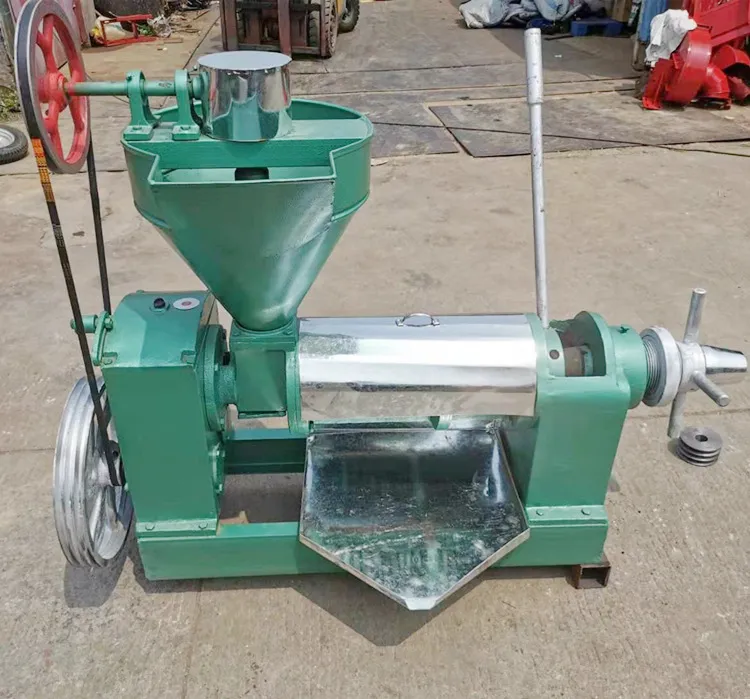
A spiral press gently squeezes oil from seeds by progressively compressing material along a helical shaft. For your farm, this means:
- Compact footprint and low CAPEX compared to solvent plants.
- Modular operation — you can scale from 50–500 kg/day to multiple tons/day with parallel units.
- Cold or warm pressing options for different product positioning (extra‑virgin vs. refined feedstock).
2. Pre‑treatment: the single biggest lever for yield and energy
How you prepare seeds/beans affects both extraction efficiency and power draw. Focus on two variables:
- Moisture control: Target moisture depending on seed type — sunflower 8–10%, rapeseed 6–8%, soybean 8–10%. Excess moisture (>12%) reduces friction and oil release; too dry (<5%) increases dust and wear.
- Particle size (crushing/grinding): Aim for 1–3 mm mean particle size for most oilseeds. Over‑fine milling raises fines and increases energy; under‑crushed kernels reduce yield.
3. Key operating parameters — settings that raise yield and cut energy
Small adjustments in temperature, screw speed and backpressure deliver measurable gains. Typical recommendations for farm presses:
- Preheat temperature: 50–75°C for warm pressing (higher gives more yield but affects sensory quality). Cold‑pressed labeling targets <50°C.
- Screw speed: 28–55 rpm for small/medium units — slower speeds increase compression time and yield; faster speeds raise throughput but lower extraction efficiency.
- Backpressure and choke settings: Adjust discharge cone to create gradual compression — avoid sudden spikes that heat and wear components.
Performance expectations (typical)
With proper pre‑treatment and tuning, expect 5–15% relative increase in oil recovery vs. non‑optimized operation and energy savings in the 20–35% range. Exact results depend on seed type and initial equipment condition.
4. Practical operation checklist (daily / weekly / monthly)
Follow this checklist to stabilize yield and minimize downtime:
- Daily: Check moisture of each batch; inspect screen and press channel for clogs.
- Weekly: Measure screw wear and bearing temperature; realign feed hopper.
- Monthly: Replace seals, inspect gearbox oil and structural bolts; perform sample extraction to verify yield trends.
5. Case study: how one African cooperative reduced energy by 30%
A cooperative processing 1.2 tonnes/day of sunflower seed moved from ad‑hoc operation to a structured program:
- Standardized seed moisture at 9% using solar drying.
- Set crush size to 2 mm and preheated to 60°C.
- Reduced screw speed from 48 rpm to 36 rpm and tuned discharge cone.
Result: extraction rate rose 8% and specific energy consumption dropped from 1.8 kWh/kg oil to 1.26 kWh/kg oil (~30% reduction). Maintenance frequency fell, and product quality improved to command a 10–15% premium locally.
6. Design choices that protect your investment and the environment
Invest in quality materials and eco‑focused features to reduce long‑term cost:
- Carbon‑steel frame: Robust structure can extend service life from a typical 5 years to 10–15 years with proper maintenance, lowering total cost of ownership.
- Sealed bearings & modular wear parts: Reduce downtime and simplify field replacement.
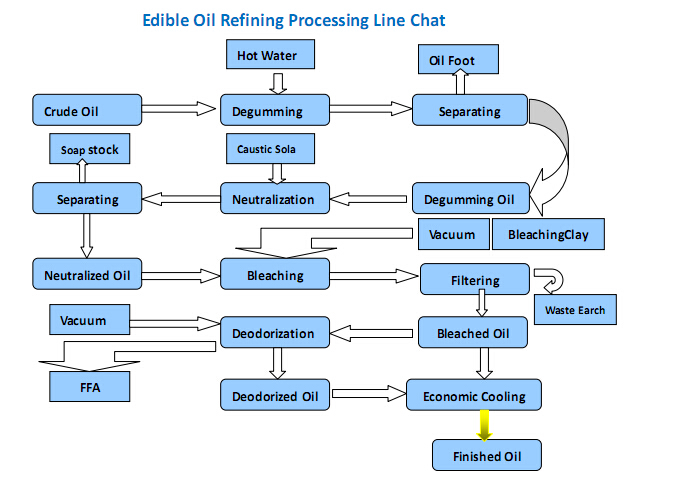
- Low emission exhaust and waste management: Integrated oil/water separation, particulate filters and condensate traps meet low‑emission design goals and minimize odor complaints.
7. Quick visual flow: from seed to bottle (workflow)
1. Intake & cleaning
Remove stones, debris.
2. Drying & moisture control
Target seed‑specific moisture.
3. Crushing / conditioning
1–3 mm particle size.
4. Spiral pressing
Tuned speed/temp/backpressure.
5. Filtration & storage
Clarify, store at cool temp.
8. Quick comparison: before vs. after optimization
| Metric |
Before |
After |
| Oil recovery |
38% (sunflower example) |
41–42% (optimised) |
| Specific energy |
1.8 kWh/kg oil |
1.26 kWh/kg oil (~30% ↓) |
| Maintenance interval |
Monthly minor fixes |
Quarterly planned checkups |
9. FAQ — quick answers to common on‑farm questions
-
Q: Can I cold‑press and still get good yield?
-
A: Yes. Cold pressing (kept <50°C) preserves flavor and nutrition, though yield may be 5–10% lower than warm pressing. You can offset this with better pre‑conditioning (moisture and crush).
-
Q: How often will wear parts need replacing?
-
A: With quality carbon‑steel components and routine maintenance, common wear parts can last 18–36 months in small farm use. Replacement intervals shorten with abrasive seeds or high throughput.
-
Q: Is odor or smoke an issue?
-
A: Proper temperature control and sealed discharge reduce smoke. Integrated filtration and condensate traps limit odor; good housekeeping (no burnt residues) is essential.
Ready to optimize your farm’s edible oil production?
Request a tailored evaluation: we analyze your seed types, current throughput, moisture control and equipment to deliver a Custom Screw Press Efficiency Diagnosis Report with concrete setting changes and expected ROI.
Request Your Custom Screw Press Efficiency Diagnosis Report
You can apply these steps incrementally — start with moisture and crush size control, then tune press settings. If you’d like, we’ll prepare a free diagnostic checklist tailored to your seed mix and daily capacity.