

In the high-temperature and high-humidity environment of Southeast Asia, traditional single pressing processes often face challenges. The excessive moisture in palm fruits leads to low oil extraction rates and high equipment wear. This article delves into how the cold-hot dual pressing technology precisely adapts to the primary processing needs in tropical regions through temperature synergy control.
You may have noticed that in high-humidity conditions, traditional pressing methods have several drawbacks. The oil extraction rate can be as low as 30% - 40% due to the high water content in palm fruits. Moreover, the equipment is prone to damage, and voltage fluctuations can disrupt the operation. For instance, in some remote areas, voltage can vary from 200V to 460V, causing instability in the pressing process.
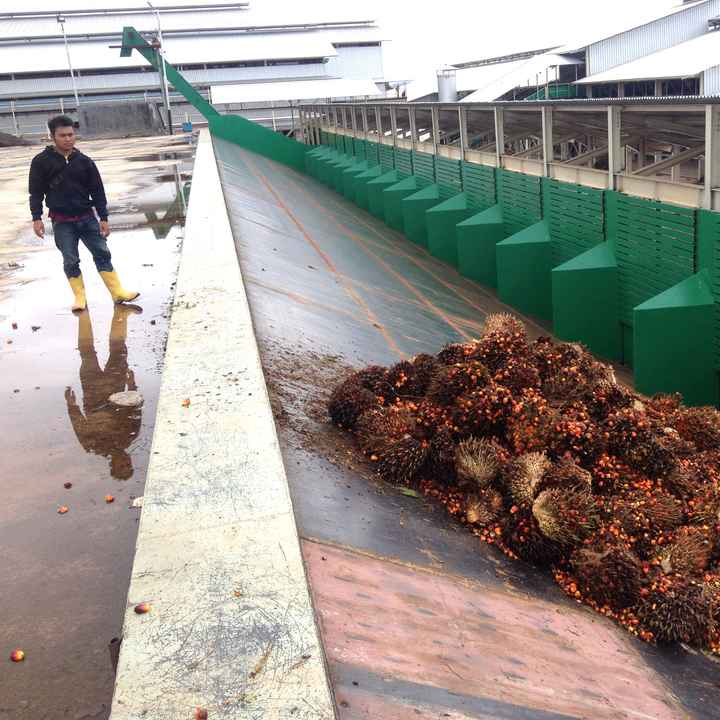
The cold-hot dual pressing technology has a unique mechanism. Cold pressing helps to retain the natural nutrients in the oil. It can preserve up to 90% of the essential nutrients in palm oil. On the other hand, hot pressing enhances dehydration and oil extraction efficiency. By heating the palm fruits to around 80 - 100°C, the oil extraction rate can reach 50% - 60%, forming a complementary mechanism.
Let's take a look at the differences between single pressing and dual pressing in terms of oil quality, production capacity, energy consumption, and maintenance costs. Oil Quality: Dual pressing produces oil with better flavor and higher nutritional value. Production Capacity: Dual pressing can increase the daily production capacity by 20% - 30%. Energy Consumption: Although hot pressing consumes more energy, the overall energy efficiency is improved due to the higher oil extraction rate. Maintenance Costs: The wear and tear of equipment in dual pressing are relatively lower, reducing maintenance costs by about 15% - 20%.
According to industry research, the dual pressing technology can significantly improve the economic benefits of palm oil production in tropical regions.
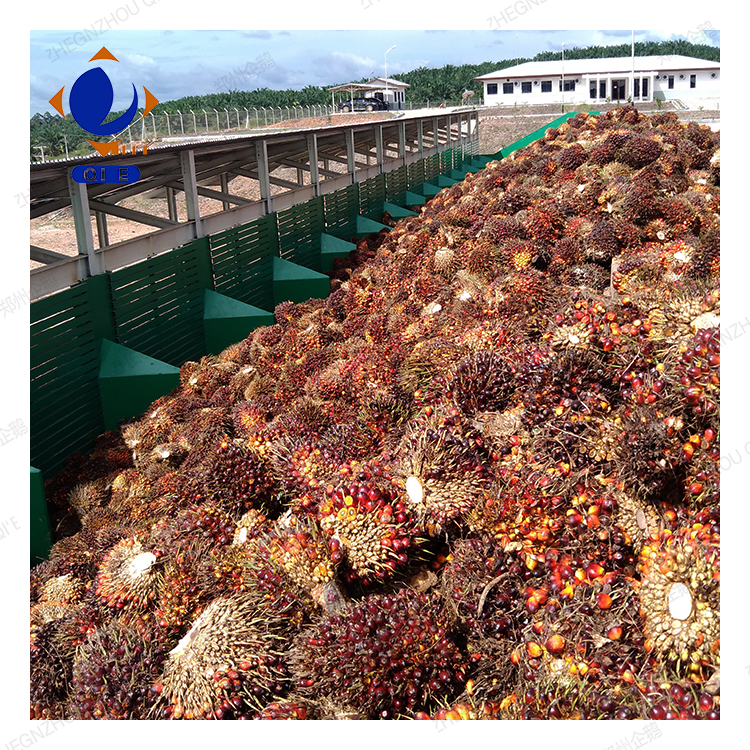
Many Southeast Asian planters have already benefited from the cold-hot dual pressing technology. For example, a farm in Indonesia adopted this technology and saw a remarkable increase in oil production. They also reported that the quality of the oil improved, which led to better market prices. Have you encountered similar problems in your palm oil production? Leave a message and tell us about your experiences.
The multi-voltage adaptation design (220V/380V/440V) of the cold-hot dual pressing equipment is a great advantage, especially in remote areas with unstable power supplies. It can ensure stable operation under different voltage conditions, reducing the risk of equipment damage caused by voltage fluctuations.
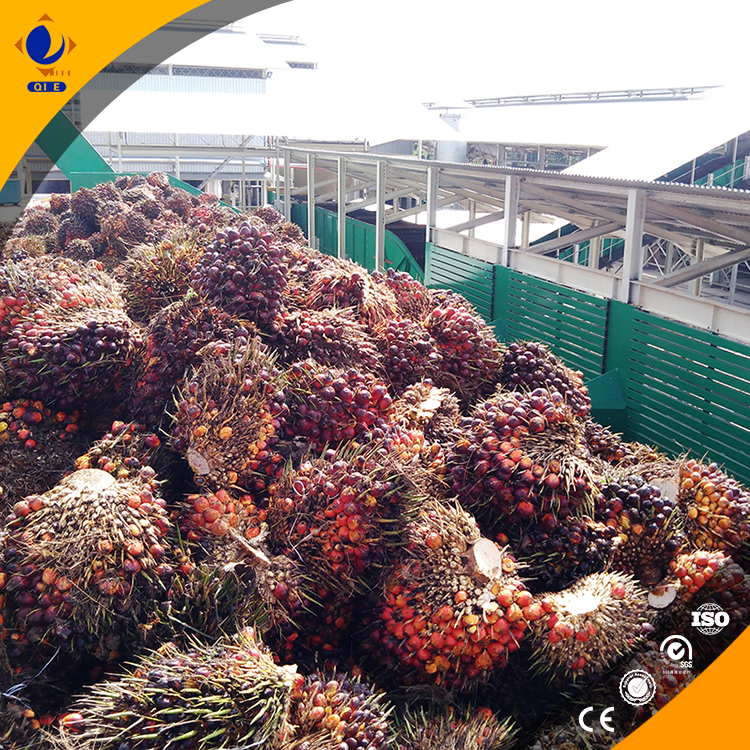
To help you make a more scientific selection, here's a tip on how to determine whether preheating treatment is needed based on the moisture content of the raw materials. If the moisture content is above 20%, preheating is recommended to improve the oil extraction rate. This practical decision-making reference can help you avoid unnecessary losses.
Click here to learn about the one-stop pressing solution suitable for tropical climates!


