Home > News > Innovative Cold and Hot Pressing Techniques for Small-Scale Palm Fruit Processing: Nutrient Preservation Meets Efficiency

Innovative Cold and Hot Pressing Techniques for Small-Scale Palm Fruit Processing: Nutrient Preservation Meets Efficiency

2025-12-26
Do you face challenges like low oil yield, equipment wear, and unstable voltage in small-scale palm fruit processing in tropical regions? This guide dives into the practical logic behind dual cold and hot pressing techniques: cold pressing to maintain the natural nutrients of palm oil, and hot pressing to boost oil yield and operational stability. Especially suitable for high-moisture palm fruits and volatile power environments, these methods address common pain points experienced by smallholders in Southeast Asia and Africa. Learn how to strategically select small-scale pressing machines that are compatible with multiple voltages (220V/380V/440V) and thoughtfully designed for sustainability, helping you avoid technical blind spots and achieve consistent, efficient results.
Ha704a63f0159415a8d5551044726ba47e.jpg

Unlocking the Potential of Small-Scale Palm Fruit Processing with Dual Cold-Heat Pressing Technology

Are you a smallholder or processor in tropical regions facing persistent challenges in palm fruit oil extraction? Common hurdles such as low oil yield, equipment wear, and unstable power supply often hinder profitability and scalability. Understanding the nuances of your processing environment is key, especially when factors like high humidity, variable electricity, and fruit moisture content come into play.

Why Traditional Single-Mode Pressing Falls Short in Tropical Contexts

Conventional palm oil extraction often relies on either hot pressing—where heat boosts oil release—or cold pressing, which emphasizes nutritional integrity. However, using just one method can either compromise oil quality or operational efficiency. In high-temperature and high-humidity tropical climates, single-mode machines frequently face:

  • Reduced oil yield by up to 15–20% due to inadequate moisture handling.
  • Accelerated equipment corrosion and downtime from thermal stress or moisture damage.
  • Power fluctuations causing motor failures, especially with non-compatible voltage machinery.

The Science Behind Dual Cold-Heat Pressing: Balancing Quality and Efficiency

Combining cold pressing and hot pressing sequentially creates a complementary process that capitalizes on each method's strengths:

  • Cold Pressing: Extracts oil at lower temperatures (<45°C), preserving vital natural antioxidants, vitamins, and flavor compounds. This results in a higher-quality oil suited for premium markets.
  • Hot Pressing: Applies controlled heat (up to 80°C) to the residual pulp after cold pressing, increasing overall extraction efficiency by 10–15% without significantly degrading nutritional content.

This dual approach is especially effective for palm fruits with high moisture content, common in tropical harvests, which otherwise reduce extraction efficiency in traditional hot pressing alone.

Comparative oil yield curves showing cold pressing, hot pressing, and dual pressing efficiencies in palm fruit processing

Tailoring Equipment Selection to Tropical and Power-Variable Environments

Not all pressing machines are created equal, especially when deployed in remote or power-fluctuating regions of Southeast Asia and Africa. Here are the critical factors to consider:

  1. Multi-Voltage Compatibility: Machines designed for 220V, 380V, and 440V inputs safeguard against electrical instability, reduce downtime, and extend service life.
  2. Robust Structural Design: Corrosion-resistant materials and sealed bearings withstand tropical humidity and dust, minimizing maintenance needs.
  3. User-Friendly Controls: Easy-to-operate interfaces with clear indicators help small teams manage dual-stage pressing without specialized training.

These design considerations are not just technical preferences—they translate directly into consistent output quality and stable revenue streams.
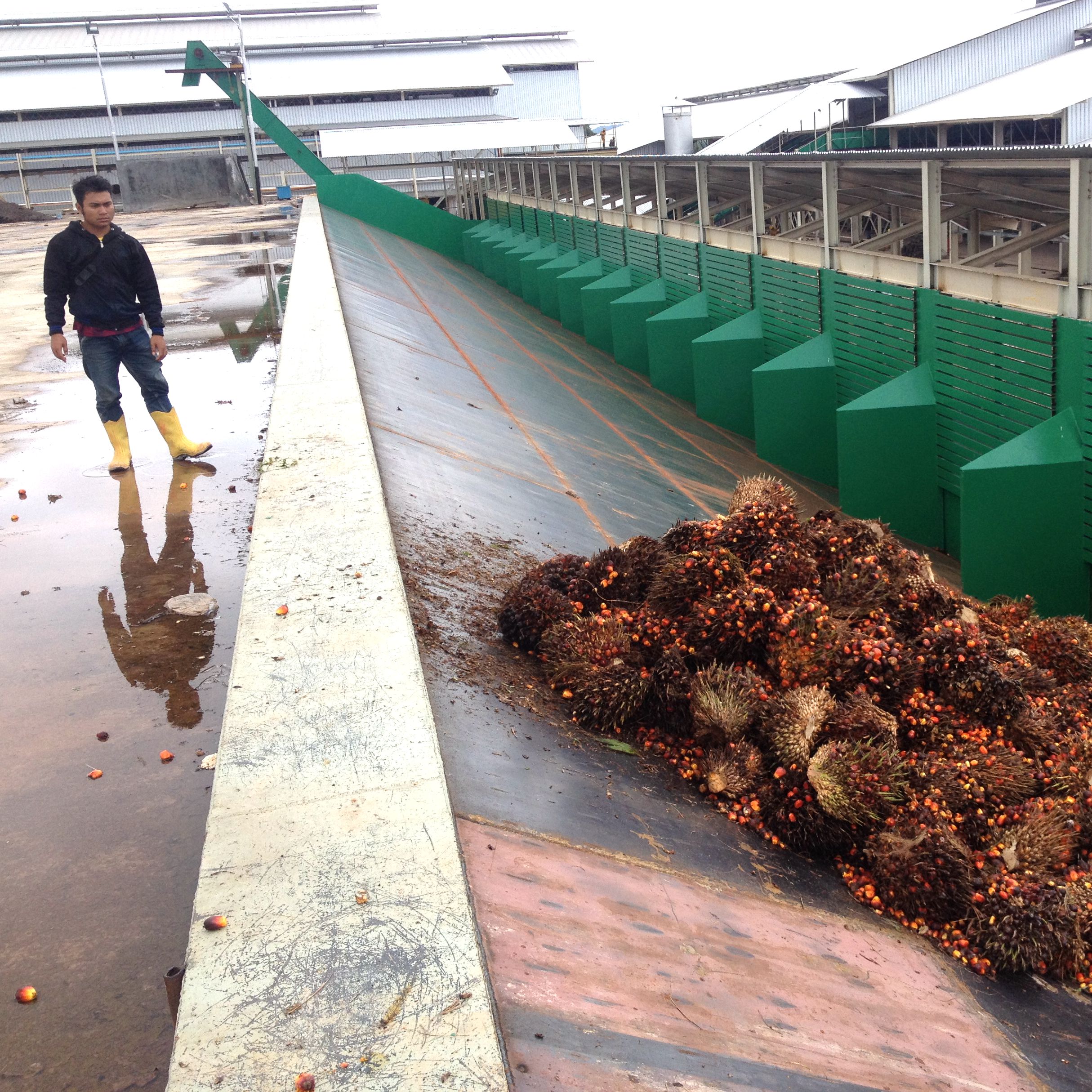
Small-scale palm oil pressing machine with multi-voltage motor and durable structure designed for tropical environments

Addressing Common User Concerns: Pre-Processing and Equipment Fit

Do you need to pre-treat palm fruits before pressing? It depends on your fruit’s condition. For high-moisture fruits (>55%), minimal pre-treatment—such as light steaming or crushing—to break down cell walls can significantly improve cold press efficiency without nutrient loss.

How can you determine if a pressing machine suits your operation? Evaluate based on your local power supply specs, batch size, desired oil quality, and maintenance capabilities. Engaging with suppliers offering ISO9001 and CE certified machines and one-stop service reduces risk and streamlines troubleshooting.
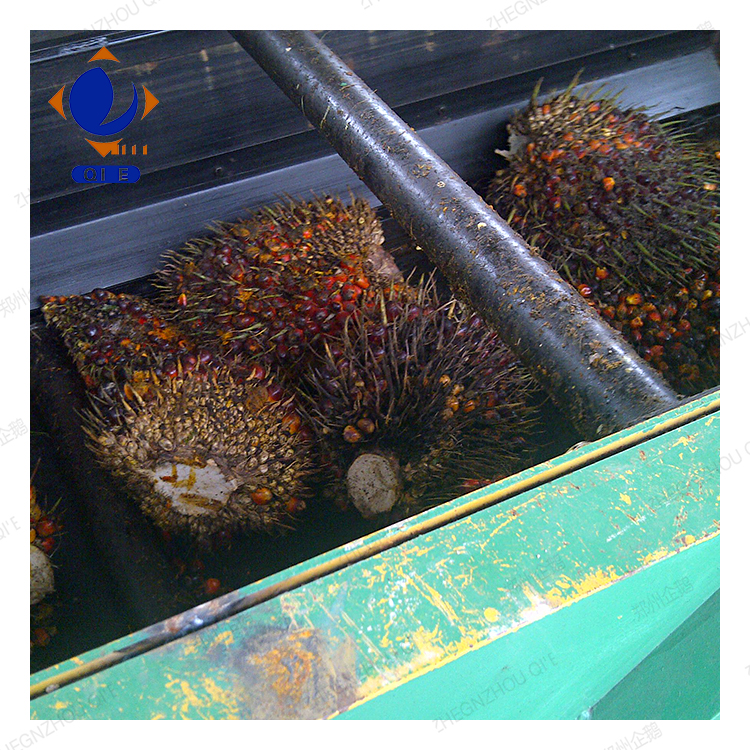
Expert opinion quote box highlighting benefits of dual cold and hot pressing technology in palm oil extraction

Expert Insight: “Dual pressing systems bridge the quality-efficiency gap in palm oil processing, especially for smallholders facing climate and infrastructure challenges. Investing in certified, adaptable equipment ensures a sustainable competitive edge.” – Dr. Maria Chen, Agricultural Processing Specialist

Ready to elevate your palm oil yield and quality sustainably?

Harnessing the power of dual cold-heat pressing tailored to your tropical environment can increase your oil yield by up to 25% while preserving essential nutrients that differentiate your product in competitive markets. Combined with multi-voltage, durable machines certified by ISO9001 and CE, you gain peace of mind for both performance and compliance.

Name *
Email *
Message*
Recommended Products