Common Challenges in Red Palm Oil Production and Smart Tips for International Buyers to Optimize Procurement
Red palm oil production often faces quality fluctuations or batch failures due to improper temperature control, inconsistent raw material selection, and blurred process transitions. This article delves into three critical aspects of palm oil processing—raw material standards, optimization of pressing parameters, and selection between physical and chemical degumming and acid removal methods. It also offers practical tips to help international buyers avoid common technical pitfalls. Highlighting QIE Group’s fully automated hot and cold pressing equipment, it reveals how you can seamlessly switch between red palm oil and refined oil production without additional investment, expanding your value-added product line with a single versatile machine. Combining technical depth with actionable guidance, this resource is essential reading before making procurement decisions.

Understanding Red Oil Production: Common Challenges and How You Can Avoid Them
If you're sourcing red oil derived from palm oil processing, you know the stakes are high. Quality fluctuations—often due to temperature mishandling, raw material inconsistencies, or process switching mishaps—can impact your final products in food, cosmetics, or biofuel applications. This guide empowers you with actionable insights on mastering the three critical areas of red oil production: raw material standards, pressing parameters optimization, and degumming & deodorization (deacidification) techniques. You’ll learn how to steer clear of costly technical pitfalls—while keeping your budget lean.
What Is Red Oil and Why Does It Matter to You?
Red oil is a palm oil fraction rich in natural carotenoids and vitamin E, prized for its vibrant color and nutritional benefits. It has seen surging demand globally—not only as a cooking oil but also in cosmetics and renewable biofuels. For an international buyer like you, understanding red oil’s composition and production nuances is fundamental to optimizing your procurement decisions and assuring consistent supply.
Three Pillars of High-Quality Red Oil Production
Here’s where you want your supplier to excel, or where your own operations can be fine-tuned:
- Raw Material Selection: Prioritize palm fruits with low Free Fatty Acid (FFA) content—typically below 5%—and moisture under 15%. These parameters greatly influence red oil purity and shelf life. Poor raw materials lead to higher impurities and color degradation.
- Pressing Parameters Optimization: Temperature and pressure must be precisely controlled. Temperatures around 45-60°C are ideal to prevent carotenoid breakdown while maximizing oil yield. Excessive heat above 70°C risks color loss and oxidation.
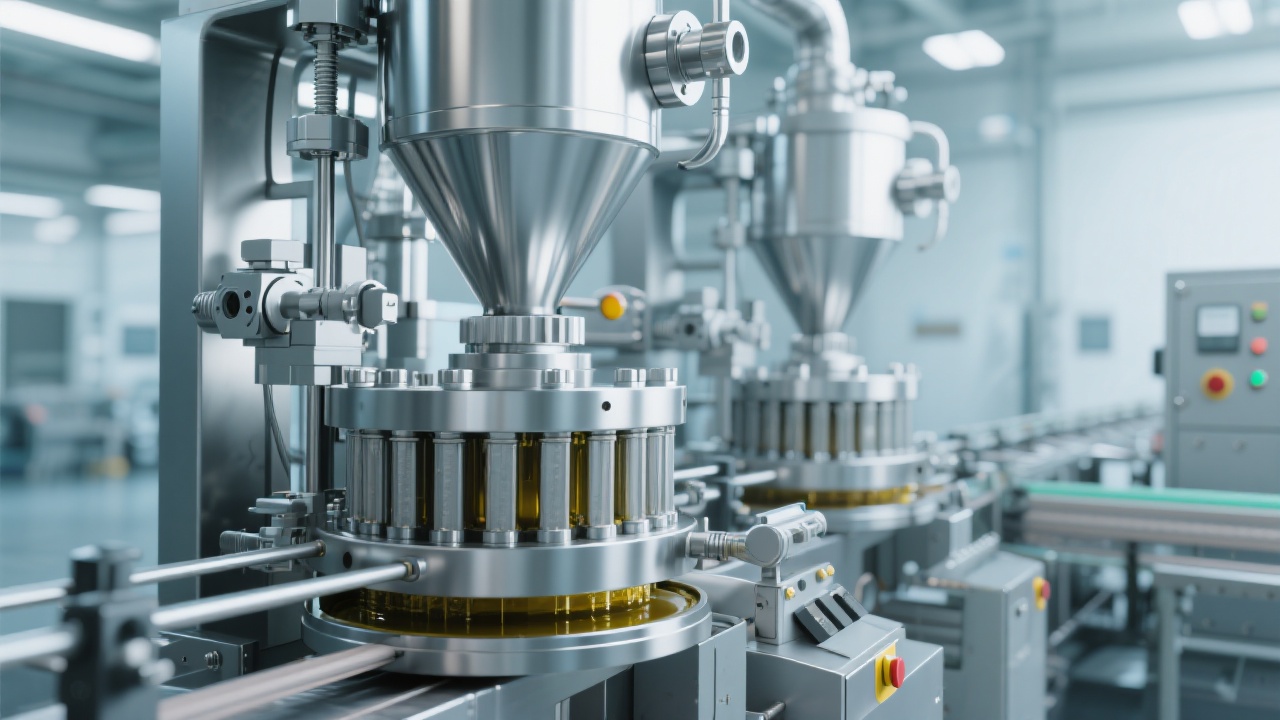
- Degumming & Deacidification Techniques: Your choice between physical and chemical methods matters. Physical degumming maintains carotenoids better but requires stricter parameter control. Chemical methods may reduce FFA more aggressively but can strip valuable nutrients.
Real-World Success: Flexible Red Oil and Refined Oil Production with Automation
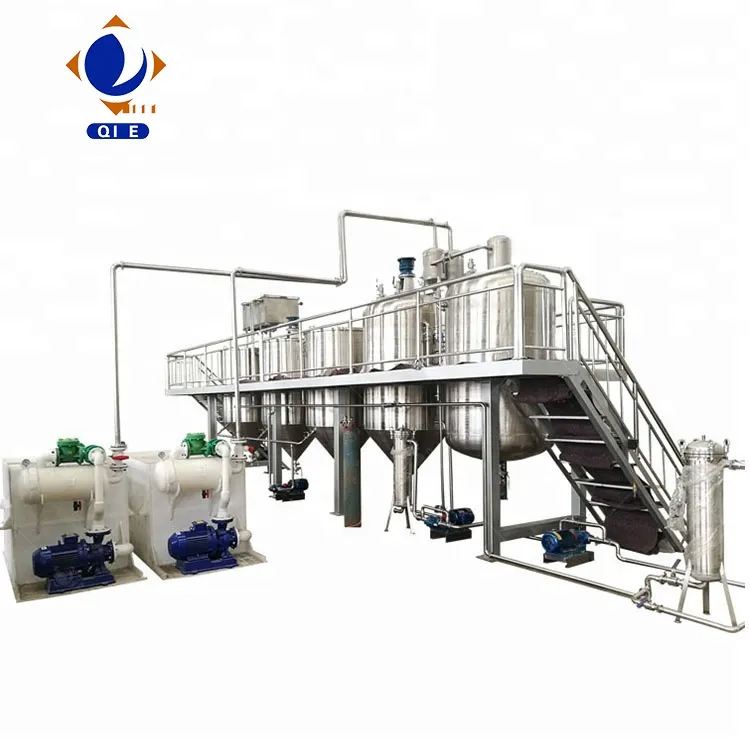
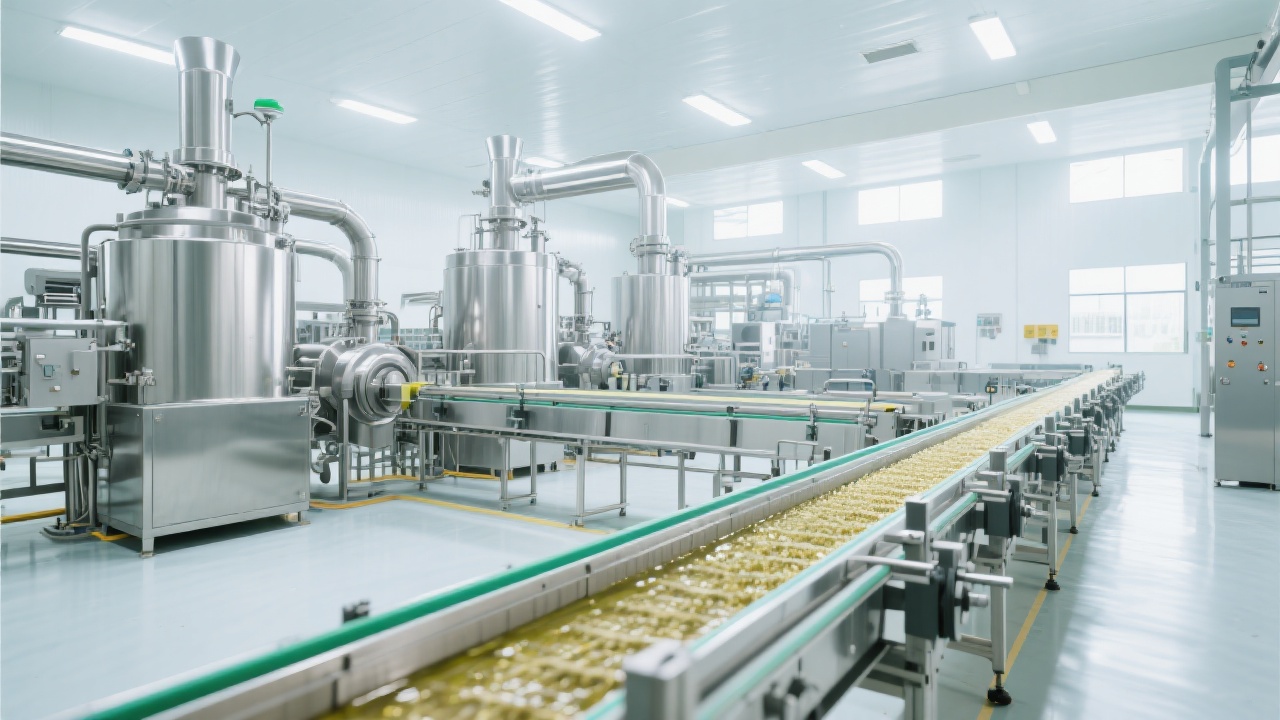
Imagine being able to switch instantly between red oil and refined palm oil production—without the need to invest in new equipment. QIE Group’s fully automated hot and cold pressing machines make this possible. By integrating smart sensors and programmable logic control (PLC) systems, you gain operational stability and flexibility. This “one machine, multiple products” model empowers your portfolio expansion and increases your ROI by adding high-value products without capital-heavy upgrades.
Avoid These Common Technical Pitfalls
- Overheating: Temperatures above 70°C lead to carotenoid breakdown and color fading. Demand that your partners implement rigorous thermal monitoring.
- Residual Phospholipids: Inadequate degumming may cause high phospholipid content exceeding 30 mg/kg, impairing oil clarity and stability.
- Inconsistent Raw Material Supply: Variations in moisture or FFA levels can cause batch quality volatility—an issue you can control through supplier audits and sampling analysis.
“Automated pressing technology is a game-changer for red oil producers. Accurate control of pressing parameters improves yield by 5-8% while preserving the color and nutritional profile, allowing buyers to offer premium grade products.” – Industry Expert, Palm Oil Processing Solutions
Technical Insights: Physical vs Chemical Degumming
When deciding on degumming and deacidification methods, consider:
| Method |
Advantages |
Considerations |
| Physical Degumming |
Retains carotenoids, eco-friendly, less chemical use |
Requires strict temp & pH control; may have higher operational costs |
| Chemical Degumming |
More aggressive reduction of FFA, simpler setup |
Potential nutrient loss, chemical residue risks |
Your Next Steps to Smarter Red Oil Procurement
Don’t let uncontrolled variables threaten your supply chain or product quality. With the right partner and technology, you can streamline your entire red oil production workflow—making it simpler, safer, and more efficient.