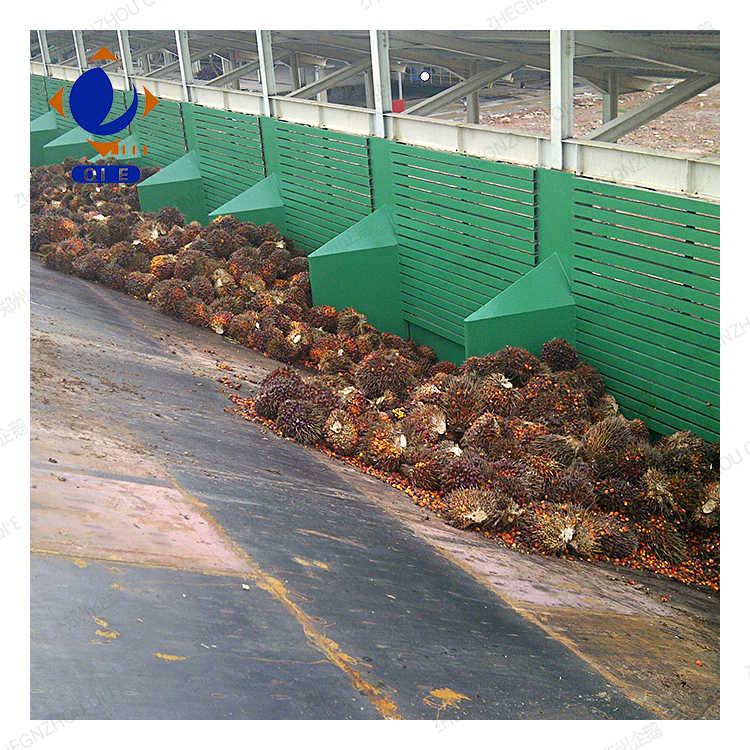
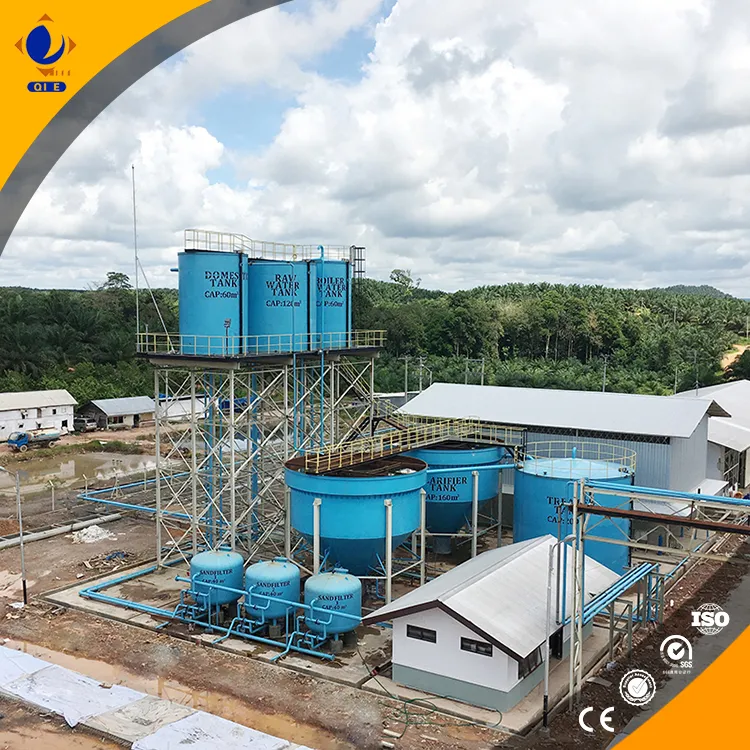
Red palm oil—unrefined, naturally red due to carotenoids—is no longer just a regional ingredient. With global demand rising at 7.2% CAGR (Source: FAO 2023), it’s emerging as a high-value raw material across food, cosmetics, and even biofuel sectors. For manufacturers looking to diversify without overhauling production lines, this is your opportunity.
The quality of red palm oil hinges on three key variables: feedstock purity, temperature control during extraction, and precise selection of de-gumming and de-acidification steps. According to industry benchmarks from ISO 22000 and HACCP compliance reports, improper phospholipid removal can reduce shelf life by up to 30%. That’s not just inefficiency—it’s lost revenue.
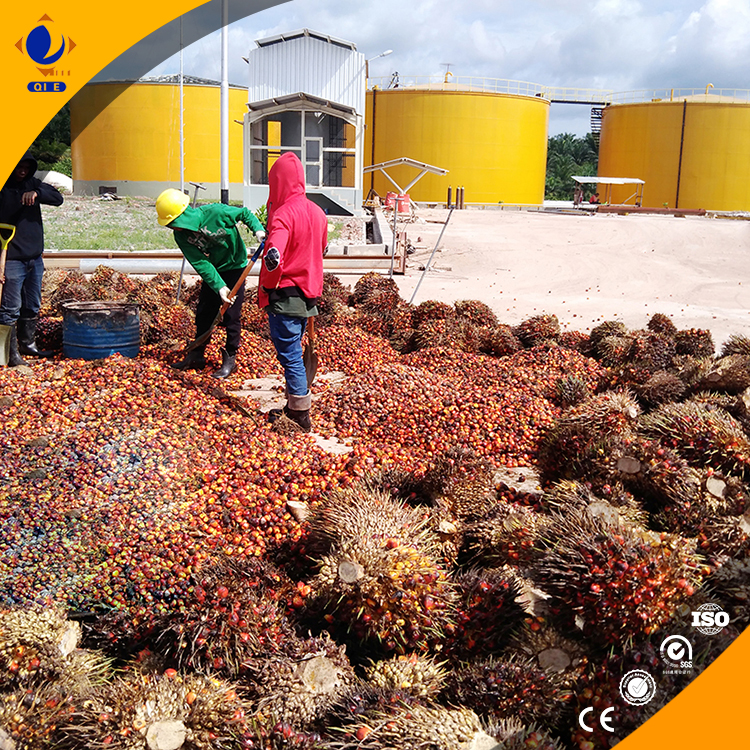
Many producers assume switching between red and refined oils requires separate equipment—a costly mistake. In reality, with smart parameter adjustments (like reducing drying temperature for red oil vs. higher temps for refined), you can run both on the same line. A Malaysian processor reported a 40% reduction in downtime after implementing flexible process controls. This isn’t theory—it’s real-world optimization that lowers trial-and-error costs and boosts responsiveness to market shifts.
“In 2024, EU cosmetic brands spent over €350M on natural palm-based ingredients—up 18% YoY.” — European Cosmetic Ingredient Association (ECIA)
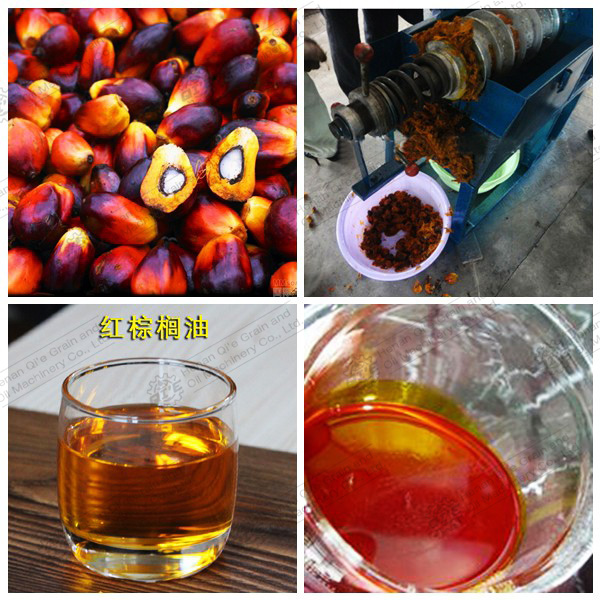
This isn't just about meeting standards—it's about creating value where others see complexity. Whether you're targeting skincare suppliers in Dubai or food processors in Brazil, offering red palm oil as a premium alternative gives you a competitive edge.
Download our free checklist: “5 Steps to Launch Red Palm Oil Successfully Without Breaking the Bank”
Get the Free PDF Now →