Red oil, a product derived from palm oil processing, has been gaining significant traction in the industry. Its unique properties make it highly sought - after in various applications, from food to cosmetics. But what exactly is red oil? It's a type of oil that retains a high level of carotenoids, giving it a distinct red color and rich nutritional value.
As the demand for natural and healthy ingredients grows, red oil has emerged as a prime choice. It offers a more sustainable and nutritious alternative to other oils, which is why it's quickly becoming an industry favorite. By mastering the production technology of red oil, you can tap into this growing market and enhance your company's competitiveness.
The quality of red oil starts with the raw materials. High - quality palm fruits are essential for producing top - notch red oil. You should look for fruits with a high oil content and a low free fatty acid (FFA) level. Typically, palm fruits with an oil content of over 20% and an FFA level below 5% are ideal for red oil production.
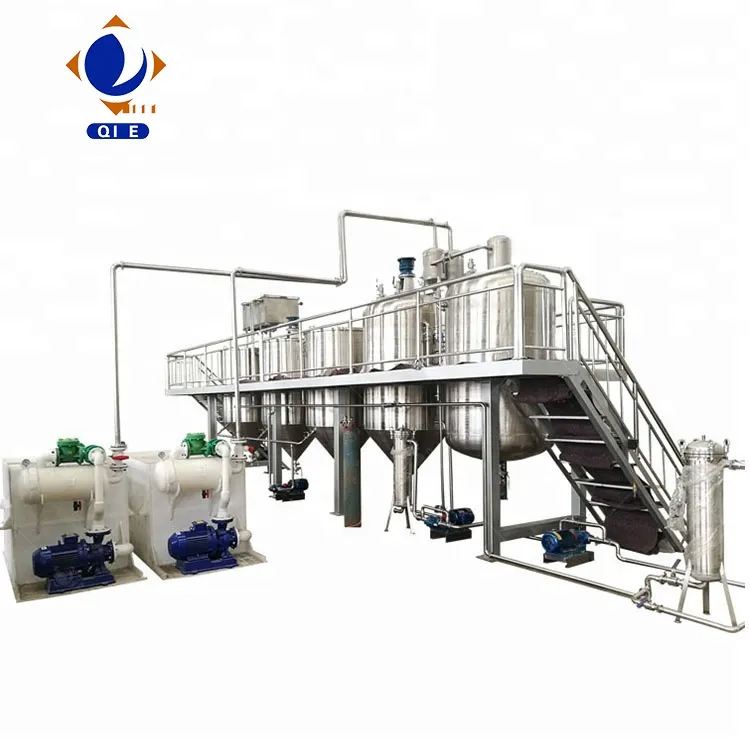
Temperature and pressure play crucial roles in the extraction process. Our fully automatic hot and cold pressing system allows you to precisely control these parameters. For example, during the hot pressing stage, a temperature range of 80 - 100°C and a pressure of 20 - 30 MPa can effectively extract oil while preserving the carotenoids. The core components of this system are under warranty for three years, ensuring long - term reliable operation.
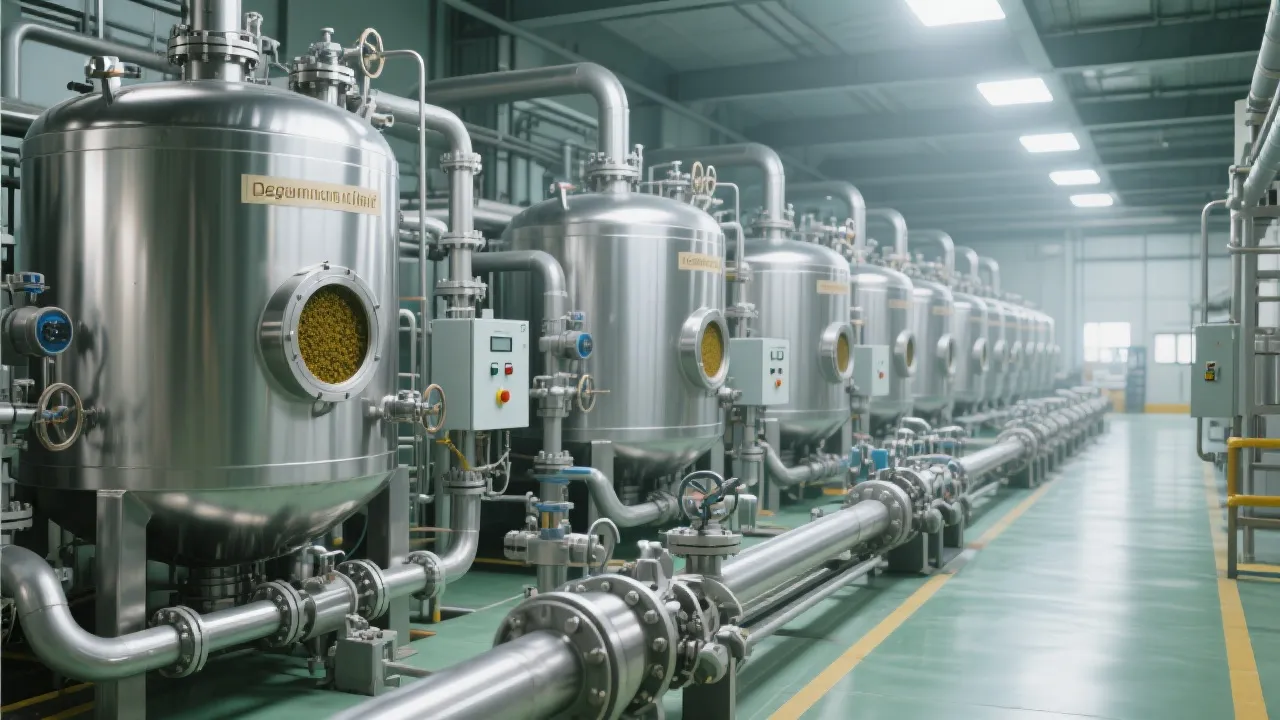
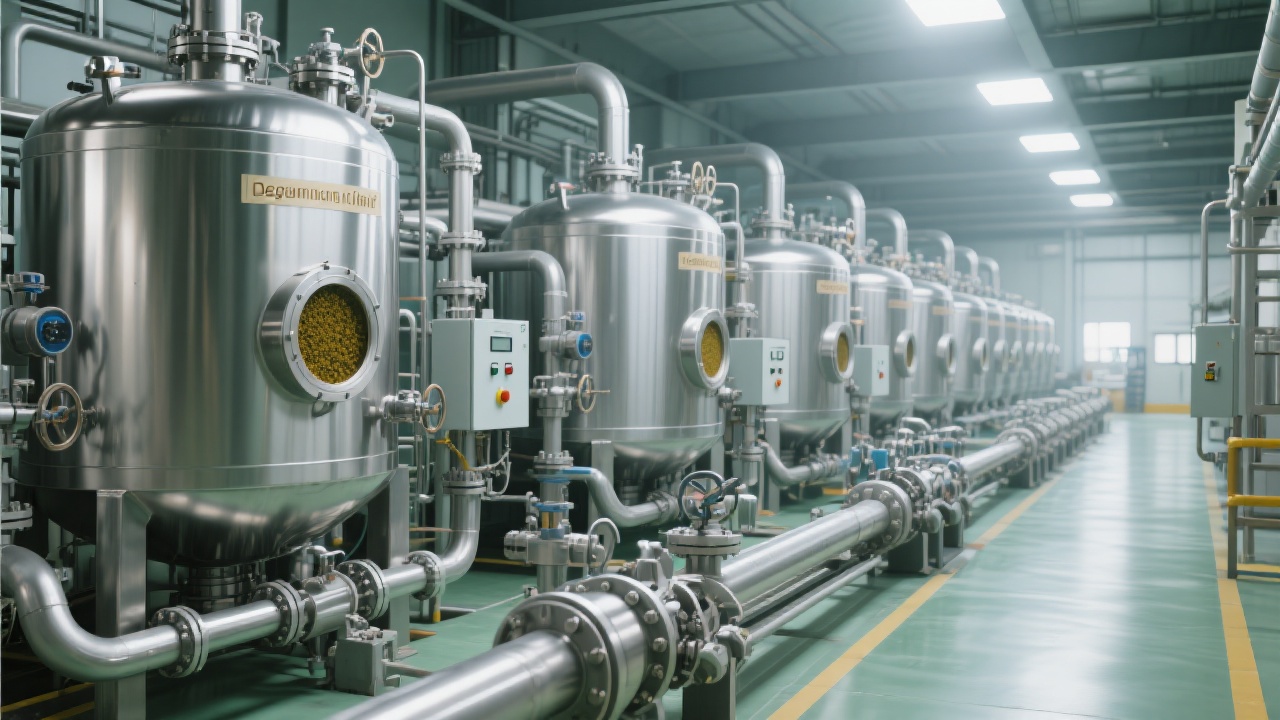
Degumming and deacidification are important steps to remove impurities and improve the quality of red oil. You can choose between chemical and physical methods according to your production needs. Chemical methods are more efficient in removing phospholipids, while physical methods are more environmentally friendly. Our flexible degumming and deacidification solutions can help you achieve the best results.
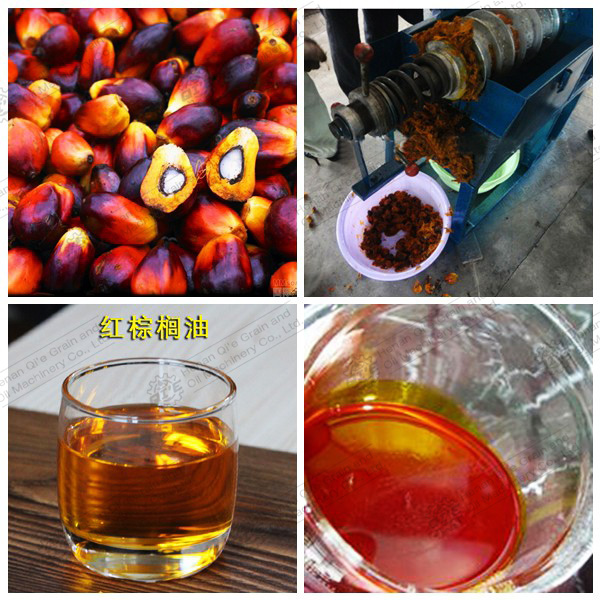
One of the significant advantages of our production system is its ability to switch between red oil and refined oil production. This is achieved through a well - designed equipment configuration. For example, by adjusting the filtration and refining processes, you can easily produce either red oil or refined oil.
Let's look at a real - world case. Company X was able to increase its production efficiency by 30% and reduce costs by 20% after implementing our system. They were able to quickly switch between the two types of oil production based on market demand, which significantly improved their profitability.
Pitfall 1: Pigment Loss
Excessive heat or improper processing can lead to pigment loss in red oil. To avoid this, use our precise temperature control system. Keep the temperature within the recommended range during the entire production process.
Pitfall 2: Phospholipid Residue
Phospholipid residue can affect the quality and stability of red oil. Make sure to choose the appropriate degumming method and ensure thorough degumming. Our degumming solutions are designed to minimize phospholipid residue.
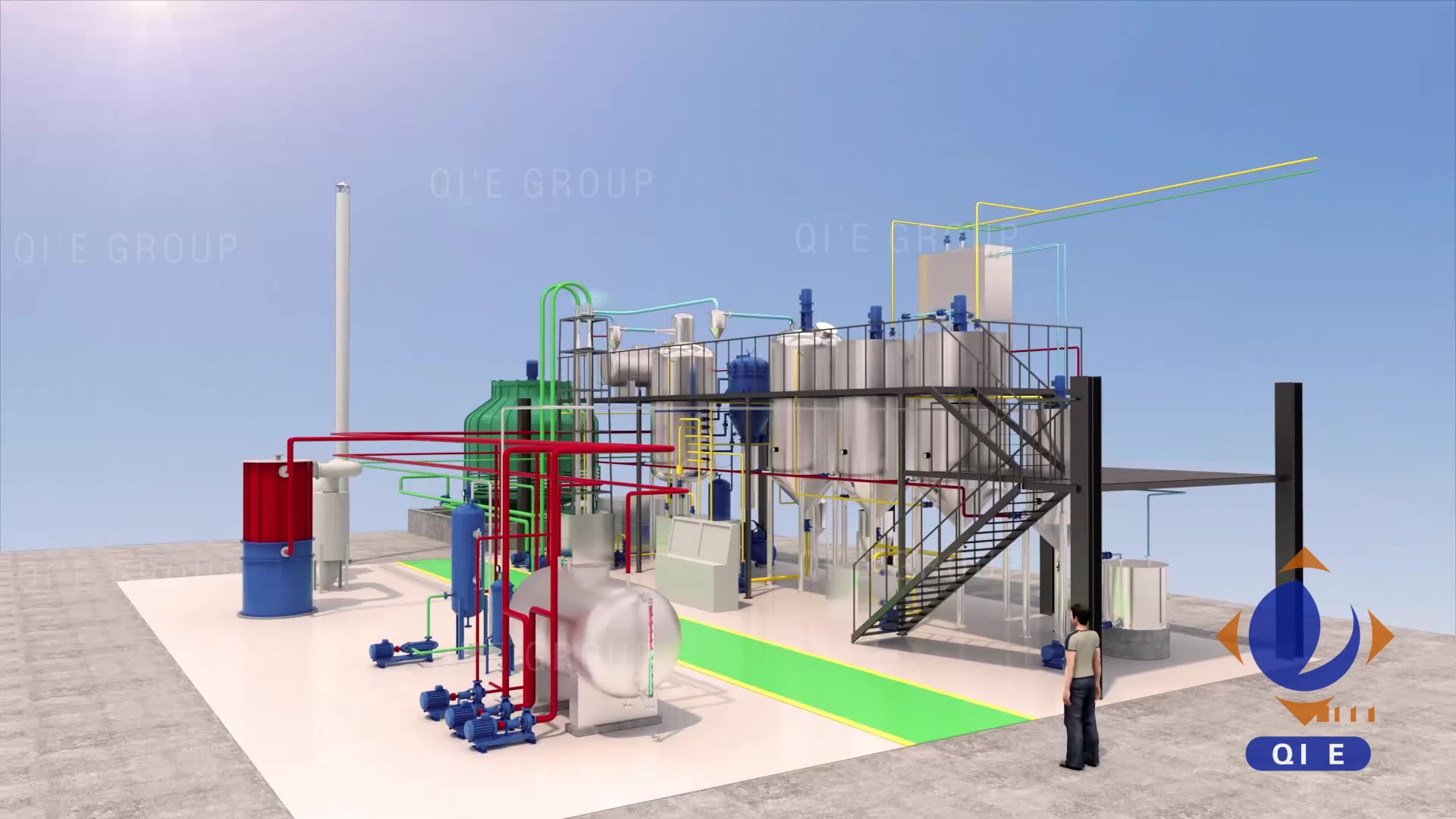
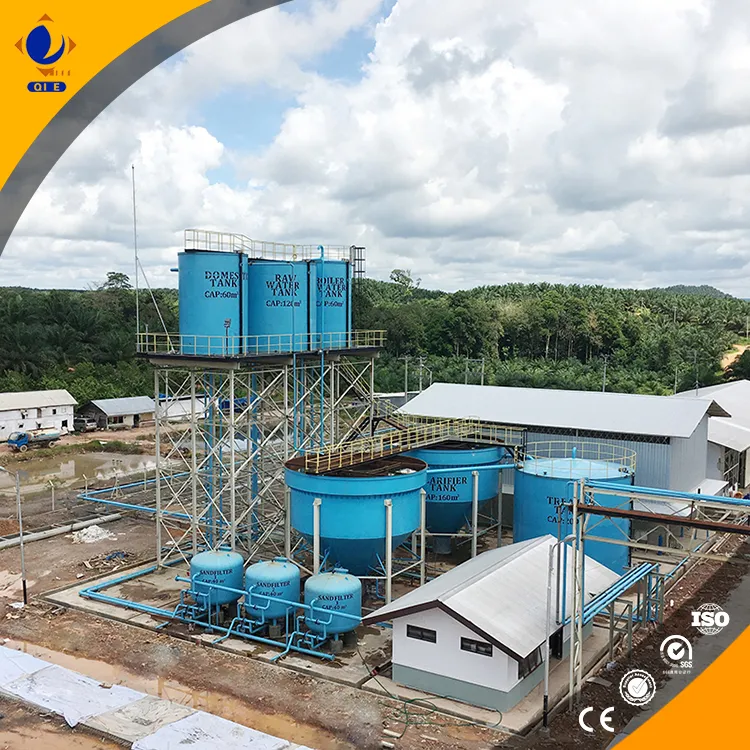
Compliance with food safety certification and environmental emission requirements is non - negotiable. Our production system is designed to meet international standards such as HACCP and ISO 22000. It also ensures low - emission production, which is beneficial for both the environment and your company's reputation.
Download our free PDF checklist to get more in - depth technical knowledge and practical tips on red oil production. It contains all the essential information you need to optimize your production process and increase your competitiveness in the market.
Download the PDF Checklist Now