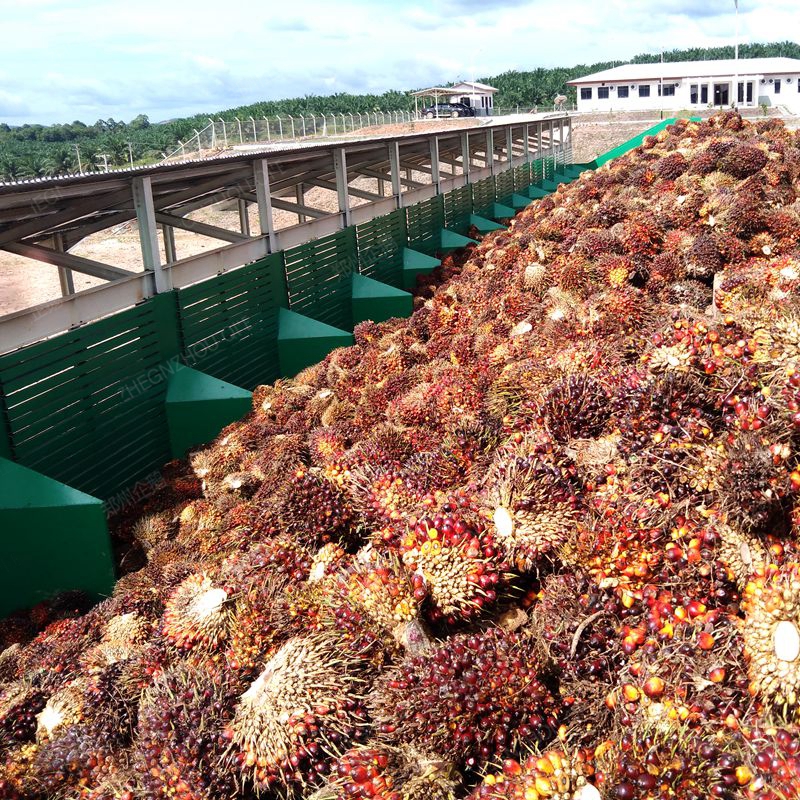
Palm oil production in tropical regions presents unique challenges for small to medium-sized farms and processing enterprises. Fluctuating voltage levels in local power supplies, combined with the humid, high-temperature environment, create tough conditions for machinery reliability and efficiency. Understanding how to effectively select and adapt the electrical setup of small palm oil screw presses is critical to ensuring a stable operation that maximizes oil yield while protecting the motor from damage.
Producers in tropical climates often struggle with several recurring issues:
These challenges directly impact production throughput and profitability. A well-informed selection of pressing technology and voltage adaptation can greatly mitigate these risks.
Recent advances in cold-hot dual pressing offer a powerful solution by combining two complementary extraction methods:
By integrating these technologies, producers can tailor extraction processes to varying fruit conditions, particularly addressing the high moisture (~50%-60%) levels typical of tropical palm fruits without compromising oil quality.
Electrical supply instability is widespread in many tropical agricultural regions. Voltage fluctuations can range from 180V to 260V for single-phase supplies and 320V to over 450V for three-phase systems. Selecting an optimal voltage configuration for your press motor is vital to avoid frequent downtime and costly repairs.
| Voltage Level | Common Use Cases | Advantages | Risks in Tropical Regions |
|---|---|---|---|
| 220V (Single-Phase) | Small presses, local farms with limited infrastructure | Easier installation, lower initial cost | Voltage drops under heavy load can cause motor overheating and premature failure |
| 380V (Three-Phase) | Medium-scale operations, common in industrial farms | More stable power, efficient motor operation, better torque | Voltage spikes during grid instability can damage electronics without proper surge protection |
| 440V (Three-Phase) | Large-scale processing plants with robust infrastructure | High power capacity, ideal for heavy load and continuous operation | Requires robust wiring and protection; surges can cause severe damage |
In tropical settings, the common pitfalls are undervoltage causing insufficient motor torque and overvoltage surges resulting in insulation breakdown. These affect press uptime significantly. Selecting the appropriate voltage level depends on operational scale, power supply quality, and protective measures like voltage stabilizers and surge suppressors.
1. Assess Local Power Supply Variability: Conduct voltage measurement over at least a 7-day period to understand fluctuation patterns before configuring motor voltage.
2. Choose Three-Phase Power Where Possible: For presses above 5 HP, three-phase 380V systems provide better efficiency and longevity. For smaller units (below 3 HP), 220V single-phase may suffice with protective equipment.
3. Incorporate Voltage Stabilizers and Surge Protectors: Installing devices rated for ±15% voltage deviation can prolong motor life by preventing overheating and insulation damage.
4. Regular Maintenance and Monitoring: Use thermal sensors and current meters to monitor motor health, especially during the wet season when spikes and drops are more frequent.
The hot-humid tropical climate impacts fruit moisture content and machinery cooling:
Combining the technology of cold-hot dual pressing with a well-adapted voltage setup creates a synergy that maximizes both yield and equipment longevity.
The deployment of keywords such as tropical palm oil pressing technology, small palm oil screw press voltage selection, cold hot dual pressing benefits, and palm oil equipment electrical adaptation ensures this guide is optimized for producers and technical decision-makers searching for reliable solutions online.
Ready to optimize your palm oil extraction process with cutting-edge technology adapted to tropical climates? Discover how appropriate voltage adaptation paired with cold-hot dual pressing technology can transform your production outcomes without risking costly motor damage or lost uptime.
Learn More About Our Tropical Climate-Adapted Pressing Solutions