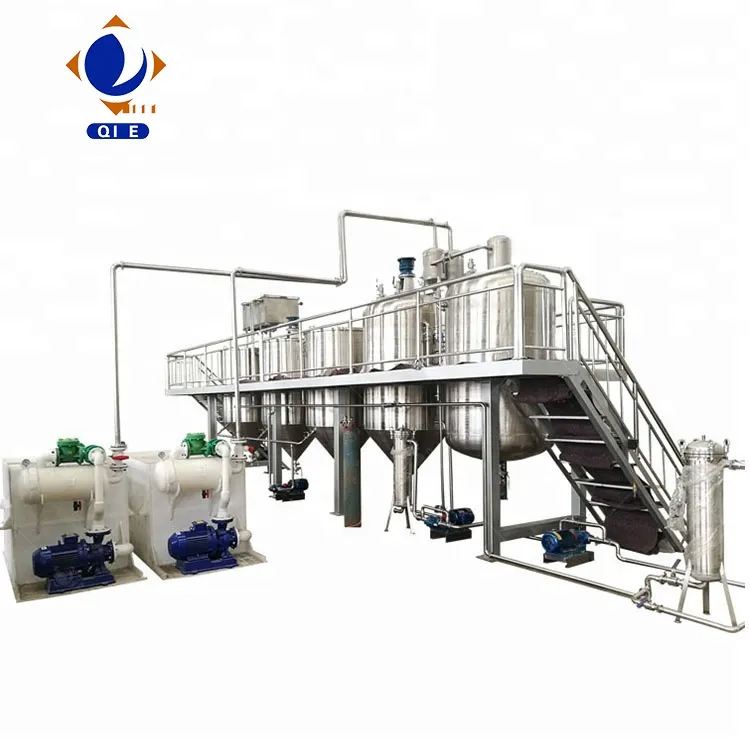
As a small-scale palm oil processor, you know how frustrating it is when your equipment fails to deliver consistent yields—or worse, stops working altogether. You're not alone. Over 60% of new operators in Southeast Asia and West Africa report initial setup issues within the first month, often due to poor installation practices or lack of clear guidance.
Your machine measures 1400mm x 600mm x 600mm—so plan your space accordingly. A level surface with at least 1.5m clearance on all sides ensures smooth operation and easy maintenance. Use a spirit level during setup; even a 2mm tilt can cause uneven pressure distribution and reduce oil extraction efficiency by up to 15%.
Power requirements vary by region:
Start slow—run the press at 50% load for the first hour to check alignment and bearing temperature. Then gradually increase to full capacity (500kg/h). Monitor output: if oil flow feels weak after 30 minutes, adjust the screw tension using the calibration dial. Most users see improved yield within 2–3 runs once parameters are optimized.
Pro tip: Keep a logbook. Track daily run time, oil output, and any noise anomalies—it’ll help spot early signs of wear like worn bushings or misaligned gears.
Daily cleaning prevents clogging—use a high-pressure water jet (not exceeding 3 bar) to flush the press chamber after each batch. Lubricate bearings every 150 hours of operation using food-grade grease (ISO 21470 compliant). Replace the rubber seal kit every 6 months under heavy use.
Common issue: Sudden drop in oil output? Check these first:
The key differentiator? Our reinforced iron frame withstands repeated relocation—perfect for mobile processing units in remote areas. Field tests show 30% less structural fatigue compared to standard steel models over 12 months of continuous use.
Download our free PDF guide with step-by-step visuals, wiring diagrams, and troubleshooting checklist—no sign-up required.
Download Complete Installation Guide