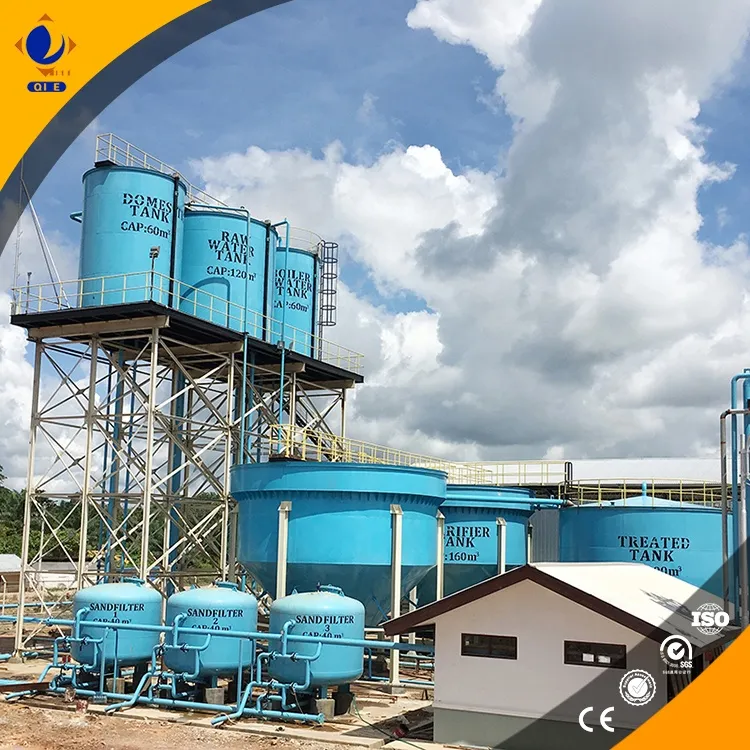
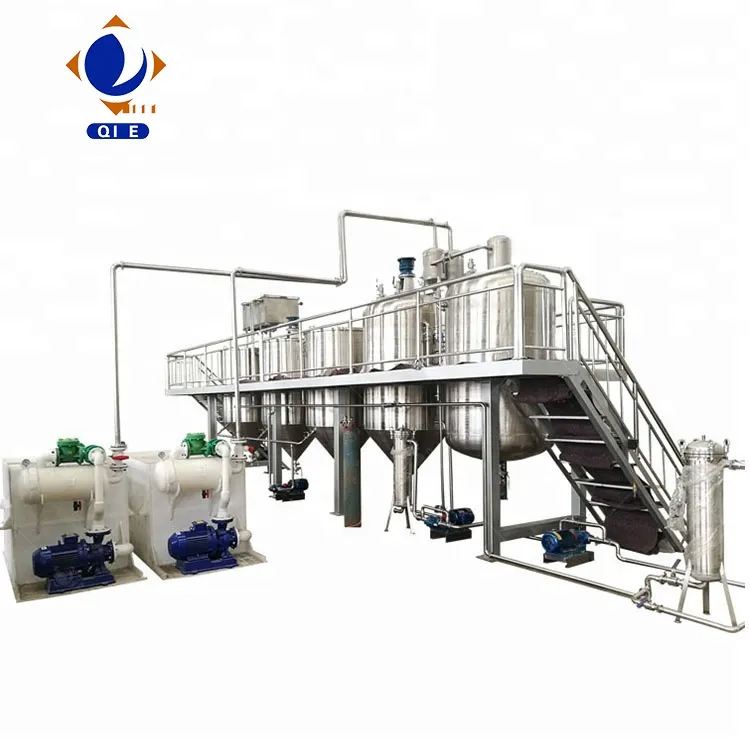
Topic: Palm Kernel Oil Extraction Line • Global Voltage Compatibility • CE • ISO 9001 • PLC Automation
Audience: Plant Owners, Engineering Managers, Procurement, EPC Teams
Design Principles for Palm Kernel Oil Extraction Lines in a Global Voltage Environment
For grain & oil processors operating across multiple regions, electrical mismatch is one of the fastest ways to turn a “ready-to-ship” line into weeks of commissioning delays. A globally deployable palm kernel oil extraction line is not only about mechanical capacity—its electrical design must be engineered for 220V/380V/480V realities, certification pathways, and stable long-term operation.
Why Electrical Compatibility Has Become a Decision-Making Factor
In palm kernel oil extraction projects, procurement teams often compare capacity, oil yield, and footprint first. Yet the hidden risk typically sits inside the control cabinet: voltage class, grid stability, cable sizing, grounding system, and protection logic. When these are not engineered for the destination country, installation can stall at the very last mile.
In practical terms, a robust industrial line is expected to tolerate common site realities such as ±10% voltage fluctuation, frequency differences (50/60 Hz), and harmonics caused by nearby heavy loads. It should also maintain consistent performance targets, e.g., reference energy consumption around 22 kWh per ton of oil (depending on raw material condition, extraction process route, and plant configuration).
Suggested Infographic for Your Website
“Voltage Adaptation Comparison Chart”: Compare 220V/380V/480V architectures by motor selection strategy, VFD/soft-starter approach, breaker ratings, cable sizing logic, and commissioning checklist. This is typically the fastest way to help non-electrical decision makers understand what “global-ready” means.
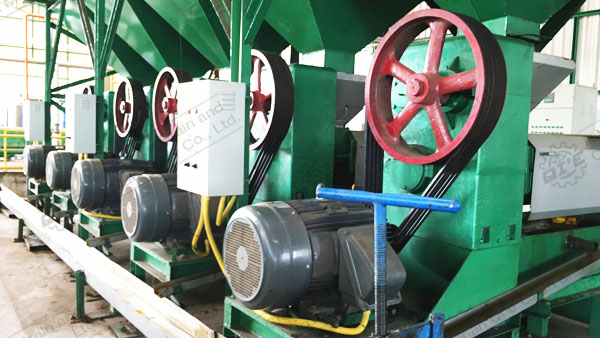
CE and ISO 9001: More Than Labels—They Shape the Whole Build
For international buyers, CE compliance and ISO 9001 are often treated as “documentation requirements.” In reality, they influence engineering discipline from day one. CE pushes equipment makers to treat electrical safety and risk reduction as a system—covering wiring practices, protective devices, emergency stops, and interlocks. ISO 9001 enforces process control: consistent BOM management, traceable inspections, calibrated instruments, and controlled change management.
What overseas factories typically verify during acceptance
| Checklist Area | Common Buyer Question | Good Practice in a Global-Ready Line |
|---|---|---|
| Electrical protection | Are breakers and overload settings matched to local grid? | Rated devices aligned to voltage class; selective coordination where needed |
| Emergency stop & interlocks | Will the line fail safe during abnormal conditions? | E-stops, door switches, and process interlocks validated in FAT/SAT |
| Traceability | Can you provide test records and component trace logs? | ISO 9001-controlled records: inspection, calibration, and change history |
| Documentation | Do you provide wiring diagrams matching the as-built cabinet? | As-built drawings + clear terminal labels to speed installation |
For B2B decision makers, this matters because the electrical system is where many “invisible costs” originate: on-site rewiring, rushed component sourcing, local electrician overtime, and schedule slips that ripple through upstream kernel preparation and downstream refining plans.
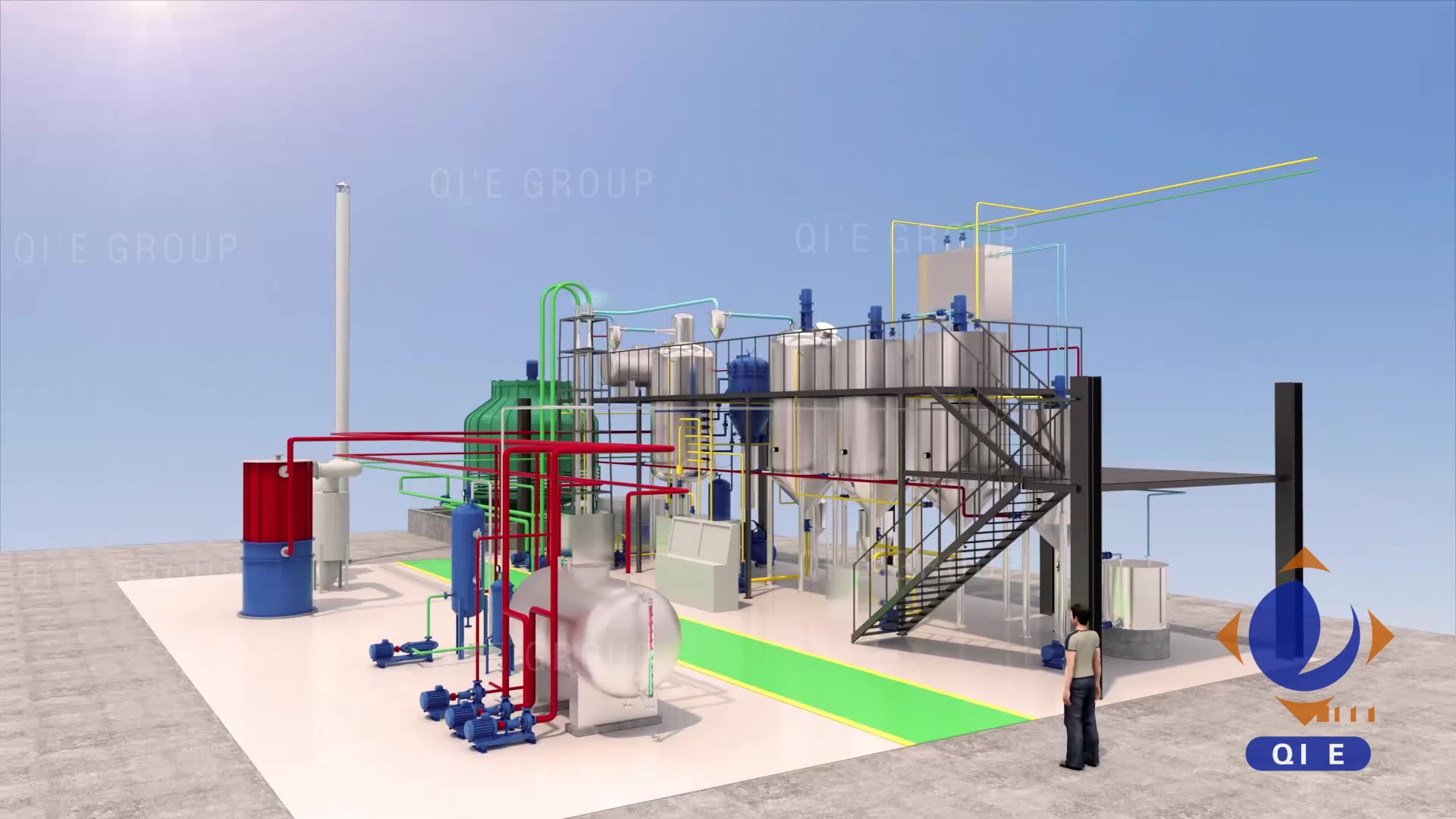
Multi-Voltage Electrical Design: Key Technical Choices That Prevent Delays
Designing a palm kernel oil extraction line for global deployment is not a “simple transformer add-on.” A practical approach typically starts with confirming the destination power ecosystem: available voltage level, frequency, earthing system, permissible cable routing, and the stability of the utility supply. Once those are clear, the design can be optimized around predictable points of failure.
1) 220V/380V/480V strategy: pick a stable architecture, not a patchwork
Many industrial destinations standardize around 380–415V (50Hz) or 460–480V (60Hz) for three-phase loads. A global-ready line typically uses a consistent three-phase architecture with correctly rated motors, contactors, VFDs, and protection devices—rather than mixing ratings. This reduces hot spots, nuisance trips, and premature motor insulation stress.
2) Frequency impact: 50/60 Hz changes more than speed
Frequency affects motor speed, pump/fan curves, torque behavior, and even heating. A thoughtful solution uses VFD parameterization, properly selected motor frames, and control logic that preserves process stability (e.g., consistent press feed rate, stable temperatures, reliable conveyor sequencing) across grid conditions.
3) VFDs, EMC, and harmonics: build a “quiet” cabinet
Modern extraction lines often rely on variable frequency drives for smooth control and energy optimization. But VFDs also introduce harmonics and electromagnetic noise. A robust cabinet design typically includes correct grounding topology, cable shielding practice, separation of power and signal wiring, and appropriate filters where required—improving sensor reliability and reducing unexplained PLC alarms.
4) Protection and safety: design for real-world faults
In overseas commissioning, the most common electrical “surprises” are undervoltage events, phase loss, poor earthing, and incorrect rotation direction. A well-engineered palm kernel oil extraction line adds protection logic (phase sequence/phase loss monitoring), clear terminal identification, and safety circuits that prioritize predictable shutdown. This protects presses, heaters, and conveying equipment from cascading failures.
Data Snapshot (reference values for planning)
- Reference energy consumption target: ~22 kWh/ton of oil (site-dependent)
- Typical voltage tolerance considered in design: ±10% (confirm local utility standards)
- Common global industrial supplies: 380–415V/50Hz and 460–480V/60Hz
These figures are used as practical references during pre-engineering; final values should be verified with your plant’s single-line diagram and load list.

How PLC Automation Supports Remote Maintenance and Compliance Audits
For overseas factories, downtime is not only a maintenance issue—it is a contractual and supply-chain risk. An intelligent PLC control system reduces uncertainty by converting “operator experience” into visible, traceable operating data. When integrated correctly, the PLC becomes a practical tool for both production continuity and compliance readiness.
Remote diagnosis that actually saves commissioning time
Remote support is most valuable when it is engineered into the system, not improvised later. Typical high-impact functions include alarm history with timestamps, device status monitoring, guided troubleshooting prompts, and secure remote access (aligned with the buyer’s IT policy). This can shorten fault isolation from hours to minutes—especially during the first weeks after start-up.
Compliance-friendly data logging
In many regions, auditors and internal QA teams want proof of stable process control: temperature trends, press load trends, runtime logs, and safety event records. PLC-based logging supports this with consistent data capture and exportable reports—helpful for internal reviews, customer audits, and continuous improvement initiatives.
Practical KPI Set Many Overseas Plants Track
Stability
Trip frequency, phase-loss events, undervoltage alarms
Efficiency
kWh/ton oil, motor load %, VFD speed profiles
Quality Support
Temperature curves, runtime logs, operator action records
Typical Overseas Project Scenario: Avoiding the “Arrival Surprise”
In a representative export project for a mid-sized processor, the destination site provided a three-phase industrial supply with frequent voltage dips during peak hours. The EPC team’s main concern was simple: “We cannot afford repeated trips during pressing, and we must pass acceptance quickly.” The project’s risk-control plan focused on electrical fit from the start—confirming the site’s voltage/frequency and earthing system, aligning motor and VFD ratings, validating protective devices, and completing a structured factory acceptance test before shipment.
During commissioning, the PLC alarm history and remote diagnostics made the difference. Instead of debating whether a stop was caused by mechanical load or electrical fluctuation, the team reviewed time-stamped events and trend data, adjusted parameters within safe limits, and stabilized operation faster—helping the buyer move from “installation” to “productive runtime” with fewer unknowns.
This kind of outcome is rarely accidental. It comes from a design philosophy that treats multi-voltage compatibility, safety compliance, and data visibility as standard—not optional upgrades.
Get the Complete Global Voltage Adaptation Plan for Your Palm Kernel Oil Extraction Line
Avoid last-minute rewiring, certification confusion, and commissioning delays. Download a practical checklist covering 220V/380V/480V selection logic, frequency considerations, PLC-ready documentation, and acceptance-test essentials.
Recommended for: engineering review meetings, procurement comparisons, and EPC pre-commissioning planning.
In global grain & oil processing, trust is built when equipment arrives ready for the local grid, passes acceptance with minimal friction, and runs steadily under real utility conditions—day after day.