6 Common Pitfalls in Small Oil Mill Equipment Procurement
Qi'e Grain and Oil Machinery Co., Ltd. explains six common procurement mistakes for small oil mills, covering capacity planning, raw material compatibility, single-machine price comparison, refining line planning, installation, commissioning, and after-sales service.
6 Common Pitfalls in Small Oil Mill Equipment Procurement
For first-time investors and plant planners, purchasing small oil mill equipment is not only about comparing machine prices. It is a project decision that affects production stability, raw material adaptability, refining quality, installation progress, and long-term operating cost. Qi'e Grain and Oil Machinery Co., Ltd. supports small oil mill projects with oil pressing equipment, oil production line equipment, and oil refining equipment designed for practical industrial use.
Why procurement decisions matter
A small oil mill often starts with a clear business goal: process local oilseeds efficiently, control investment risk, and build a production setup that can grow over time. In this stage, the most common problem is not the equipment itself, but the mismatch between the equipment configuration and the real project needs.
A well-planned procurement process should consider capacity, raw material compatibility, refining requirements, installation, commissioning, and after-sales support as one connected system.
6 common mistakes to avoid
1. Planning capacity without matching actual production needs
Some buyers focus on a target output number without considering working hours, seasonal raw material supply, labor arrangement, and future expansion. This can lead to equipment that is too large, too small, or difficult to operate efficiently.
2. Ignoring raw material compatibility
Different oilseeds require different handling conditions. If the equipment is selected only by appearance or general description, it may not perform well with the actual raw materials you plan to process. Material characteristics should be checked before procurement.
3. Comparing only the price of a single machine
A low machine price does not necessarily mean a lower project cost. Buyers should compare the full value of the system, including configuration, durability, energy use, maintenance needs, and the supplier’s technical support.
4. Underestimating refining line planning
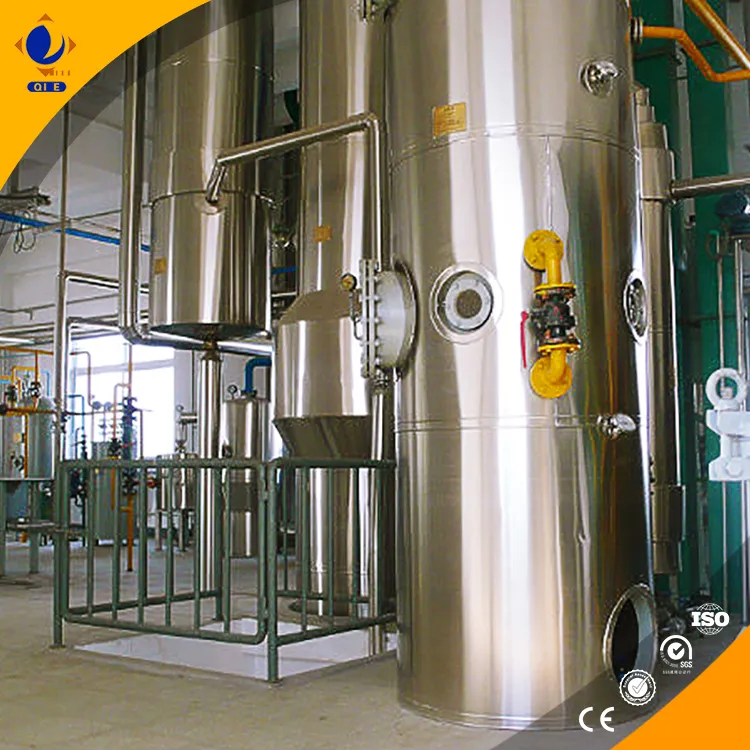
For projects that need edible oil refining, the refining section should be considered at the beginning rather than added later as an afterthought. Refining equipment should be planned according to product quality goals, process flow, and plant layout.
5. Overlooking installation and commissioning support
Even good equipment needs proper installation and commissioning. If these services are not defined clearly, project startup may be delayed and operational problems may take longer to resolve.
6. Treating after-sales service as a secondary issue
For small oil mills, after-sales service affects long-term continuity. Spare parts, technical response, operator guidance, and troubleshooting support should be clarified before purchase, not after the equipment is delivered.
A practical procurement checklist
Before placing an order, buyers can evaluate the project from a simple and practical angle. The following checklist helps reduce avoidable risk and improve decision quality.
| Focus area |
What to confirm |
| Capacity |
Expected output, operating schedule, and room for future expansion |
| Raw materials |
Oilseed type, moisture condition, and process adaptability |
| Process layout |
Pressing line, refining line, workflow, and plant space |
| Service scope |
Installation, commissioning, training, and maintenance support |
How Qi'e Grain and Oil Machinery Co., Ltd. supports small oil mill projects
Qi'e Grain and Oil Machinery Co., Ltd. focuses on oil pressing equipment, oil production line equipment, and oil refining equipment for B2B customers in Asia, Africa, and South America. Our approach is centered on practical project needs, with attention to quality, technical reliability, and service continuity.
- Equipment selection aligned with project scale and processing goals
- Support for oil pressing, production line planning, and refining equipment integration
- Installation and commissioning guidance for smoother startup
- Technical service support designed to help customers operate with confidence
A better purchase starts with a clearer project plan
For a small oil mill, the best procurement decision is rarely the cheapest one or the most complex one. It is the one that fits the raw material, the capacity target, the production flow, and the service requirements of the project. With a clear plan and a reliable supplier, buyers can reduce risk and build a more stable operation from the start.