
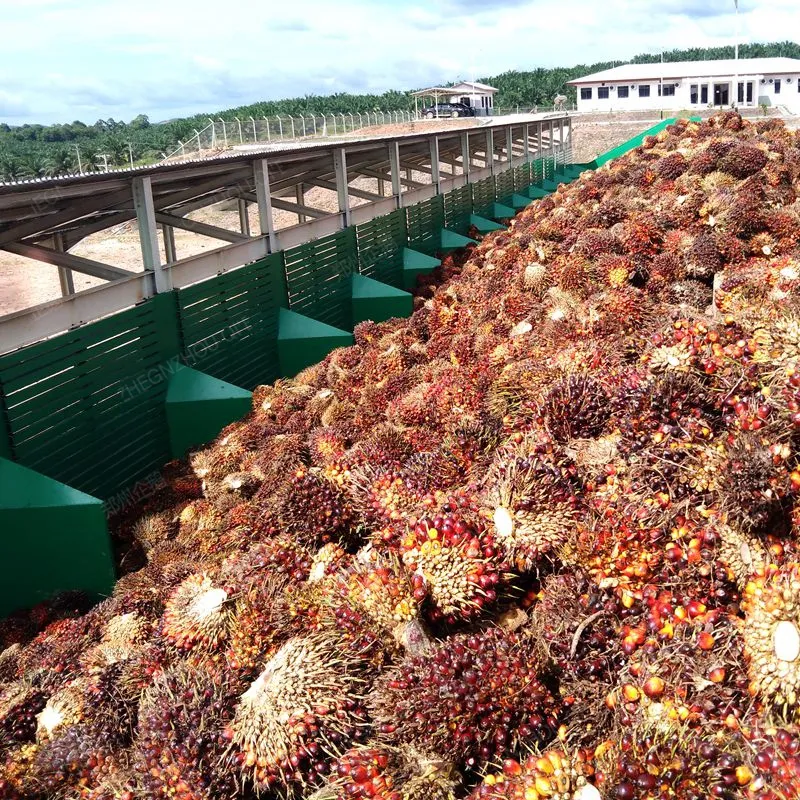
In tropical regions like West Africa and Southeast Asia, palm oil processing often starts at the farm level—with small-scale operations that face real-world challenges: inconsistent power supply, high humidity, and variable fruit moisture content. Choosing the right pressing method isn’t just about efficiency—it’s about sustainability, yield, and long-term profitability.
Most small processors still rely on single-press systems—either cold or hot only. While simple to operate, they struggle under humid conditions. For example, when palm fruits have over 65% moisture (common in rainy seasons), traditional methods can result in:
Cold-hot double pressing combines two phases: a low-temperature pre-press to extract initial oils without damaging nutrients, followed by a controlled heating step to maximize yield. Field tests conducted in Nigeria and Indonesia show clear advantages:
| Pressing Method | Avg. Oil Yield (%) | Nutrient Retention (Vitamin E) | Energy Efficiency |
|---|---|---|---|
| Single Cold Press | 42–45% | Moderate (60%) | High |
| Single Hot Press | 50–53% | Low (30%) | Medium |
| Cold-Hot Dual Press | 57–60% | High (85%) | Optimized |
“We saw a 12% increase in daily output after switching to dual pressing—and our customers noticed better taste and longer shelf life.” — *Amina Yusuf, Palm Oil Processor, Kaduna, Nigeria*
Unlike industrial plants, African rural setups rarely have stable electricity. The cold-hot system includes built-in voltage regulators and thermal protection circuits, making it resilient even during brownouts. One farmer in Ghana reported zero downtime over six months using this setup—unheard of with older machines.
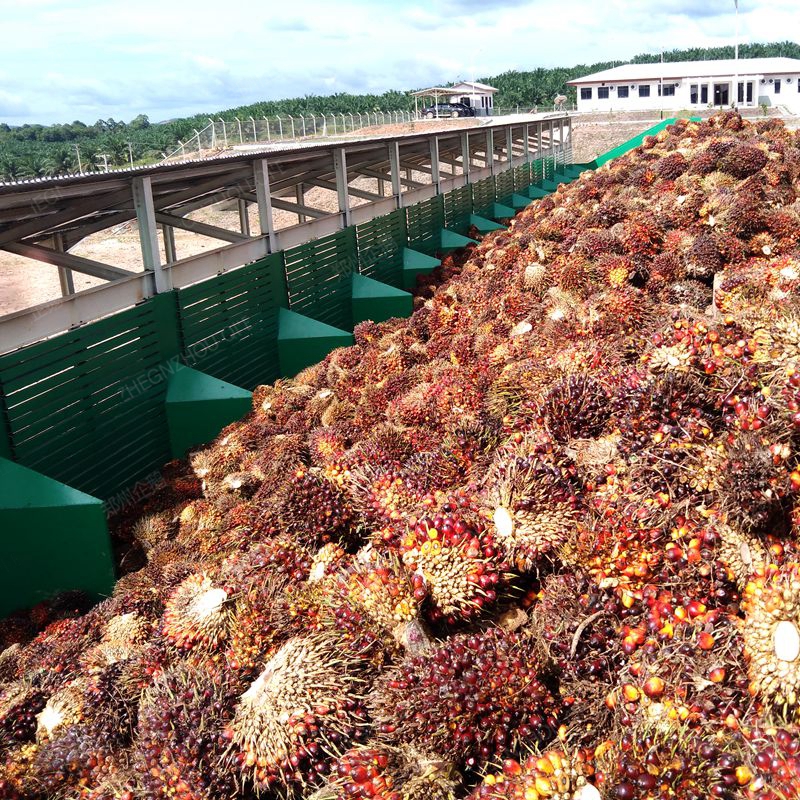
Want to see how your local conditions match up? Download our free Small-Scale Palm Oil Processing Guide—it includes a calculator for estimating yield gains based on your fruit moisture levels and power stability.
Explore Our Dual Press Solutions →


