Importing agricultural machinery into tropical regions such as Southeast Asia and Africa presents unique challenges for buyers, particularly small-scale farmers and emerging agro-processing businesses. Compliance with international and local standards is a decisive factor that affects not only operational safety but also eligibility for governmental incentives and trade facilitation. In this context, the CE certification and the ISO9001:2000 quality management system emerge as critical pillars ensuring equipment legitimacy, reliability, and market competitiveness.
Originally developed within the European Economic Area, the CE mark signifies conformity with health, safety, and environmental protection standards for products sold across the EU. Its relevance now extends globally, with many tropical nations recognizing CE as a benchmark for legal compliance, especially for electrical and mechanical agricultural equipment like palm oil presses. CE certification guarantees that machinery meets essential directives related to electrical safety, mechanical protection, and electromagnetic compatibility.
Failure to procure CE-certified machinery in countries like Indonesia, Vietnam, and Nigeria commonly results in significant penalties, seizure at customs, and loss of government support. For instance, non-compliance fines can reach up to 25% of the product's declared value, impacting profit margins heavily. Moreover, CE certification signals to stakeholders—including distributors and end-users—a commitment to safety and regulatory adherence.
"According to the UNIDO report 2022, adherence to recognized certification standards like CE accelerates market access and mitigates operational risks in tropical economies heavily reliant on agricultural output." — UNIDO
While CE certification establishes minimum safety and environmental standards, ISO9001:2000 focuses on the internal processes ensuring continuous quality management throughout production. Implementation of ISO9001 facilitates traceability, standardized fabrication steps, and quality controls that reduce defects and improve yield—for example, enhancing palm oil extraction efficiency by up to 18% due to consistent machine reliability.
For tropical markets, where variability in power supply voltage (ranging typically from 220V to 240V) and harsh environmental conditions prevail, ISO9001-certified manufacturers document their process adaptations to mitigate these challenges. This systematic approach results in machinery with optimized components resilient to heat, humidity, and dust.
Choosing equipment without proper CE or ISO9001 certification may appear cost-effective initially but incurs hidden long-term costs. Non-certified machines often require frequent repairs, carry higher safety risks (with accident rates increased by approximately 30%), and are ineligible for government subsidy programs that can reduce capital outlay by 10-20%.
Contrastingly, CE and ISO9001-certified machinery command higher resale value, streamline customs clearance, and unlock participation in public and private sector tenders. Such compliance provides competitive leverage essential in export-driven agribusiness landscapes.
Each tropical country presents distinct regulations affecting agricultural machinery imports. For example:
Recognizing these local variations helps importers proactively align certification and documentation, reducing clearance delays by an average of 20% and avoiding costly hold-ups.
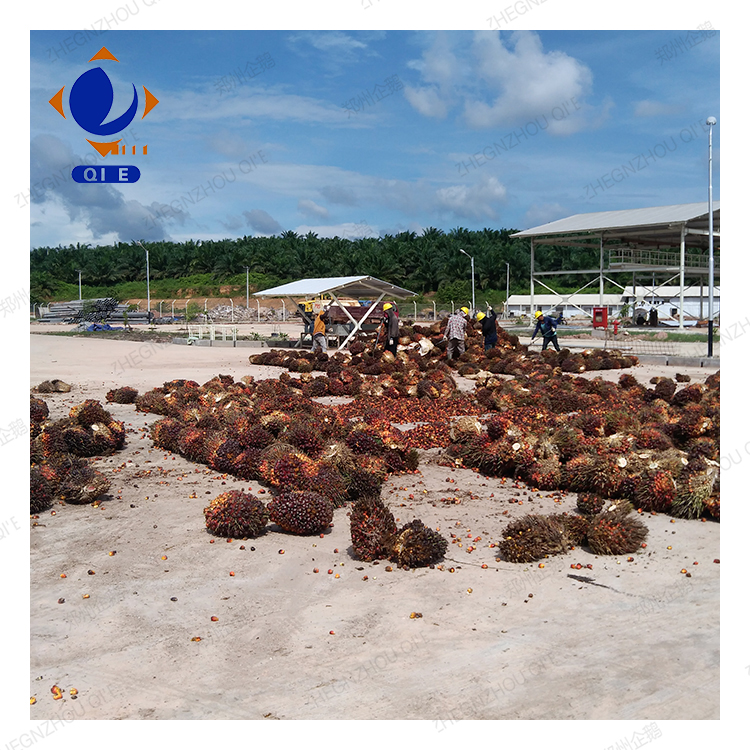
Consider a medium-sized palm oil processor in Malaysia that invested in CE and ISO9001-certified pressing machines. Within 18 months, the operation reported:
This outcome underscores the strategic advantage of prioritizing compliance and quality certification in capital equipment procurement decisions.