

In the dynamic landscape of tropical agriculture, the choice of equipment is a critical decision that can significantly impact a farm's long - term success. One of the most pressing issues facing farmers, especially those in Africa, Southeast Asia, and other tropical regions, is the matter of equipment compliance.
Many farmers are plagued by anxiety when it comes to importing agricultural equipment. The fear of legal issues, combined with the complexity of understanding different regulatory standards, often leads to hesitation. According to a report from the Food and Agriculture Organization (FAO), a significant portion of farmers in tropical regions are unaware of the specific regulatory requirements for importing agricultural machinery, including palm oil presses.
This lack of knowledge creates a sense of unease, as they worry about potential legal consequences. However, it's important to note that with the right information and guidance, this anxiety can be overcome. The key is to understand that compliance is not just a liability; it's a powerful competitive advantage.
Let's take a real - life example to illustrate the importance of compliance. In a small African farm, the owner decided to purchase a palm oil press without verifying its certification. The equipment lacked the necessary CE and ISO9001:2000 certifications. As a result, when the local authorities conducted an inspection, the farm was fined tens of thousands of dollars. The owner, who was initially attracted by the low price of the illegal equipment, was filled with regret.
This incident is not an isolated case. According to the United Nations Industrial Development Organization (UNIDO), many small - scale oil processing businesses in tropical regions have faced similar situations, including fines, temporary closures, and even permanent shutdowns. These consequences not only cause immediate financial losses but also damage the long - term reputation of the business.
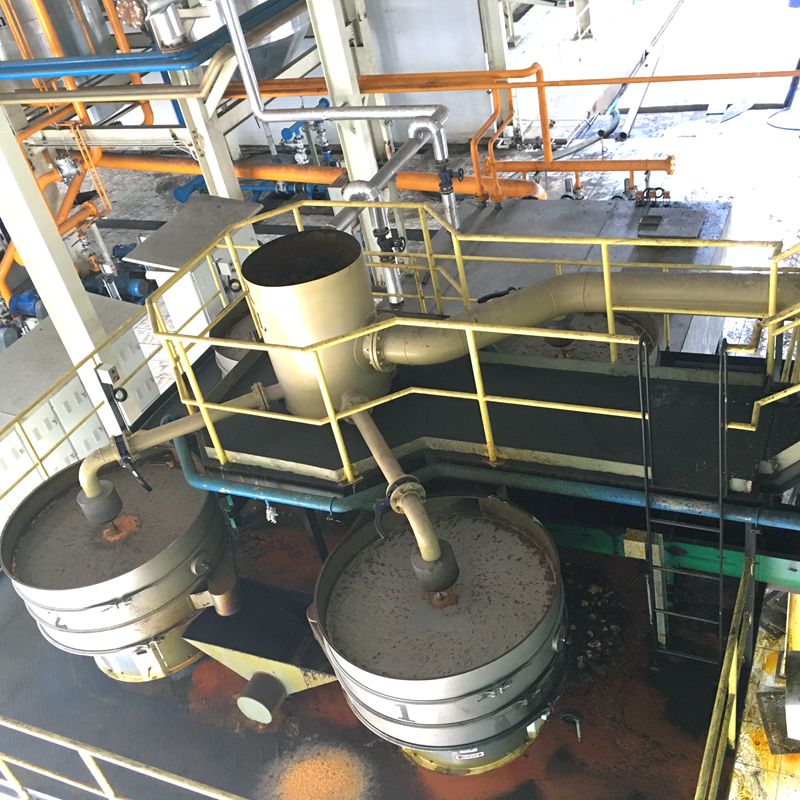
The CE mark and ISO9001:2000 quality system are like 'passports' for agricultural machinery in tropical regions. The CE mark indicates that the product complies with European health, safety, and environmental protection standards. In the context of tropical markets, it means that the equipment is safe to operate, reliable, and meets international quality benchmarks.
The ISO9001:2000 quality system, on the other hand, focuses on the quality management of the manufacturing process. It ensures that the products are consistently produced and controlled according to high - quality standards. This is particularly important in tropical regions, where the harsh climate and demanding working conditions require equipment that can withstand the test of time.
Compliant equipment offers a range of advantages in long - term operation, policy support, and safety. In terms of long - term operation, compliant equipment is more durable and requires less maintenance. This reduces the overall cost of ownership and increases the efficiency of the farm.
From a policy perspective, many governments in tropical regions offer subsidies and incentives for farmers who use compliant equipment. For example, in some African countries, farmers can get tax breaks or low - interest loans when purchasing CE - marked and ISO9001 - certified agricultural machinery.
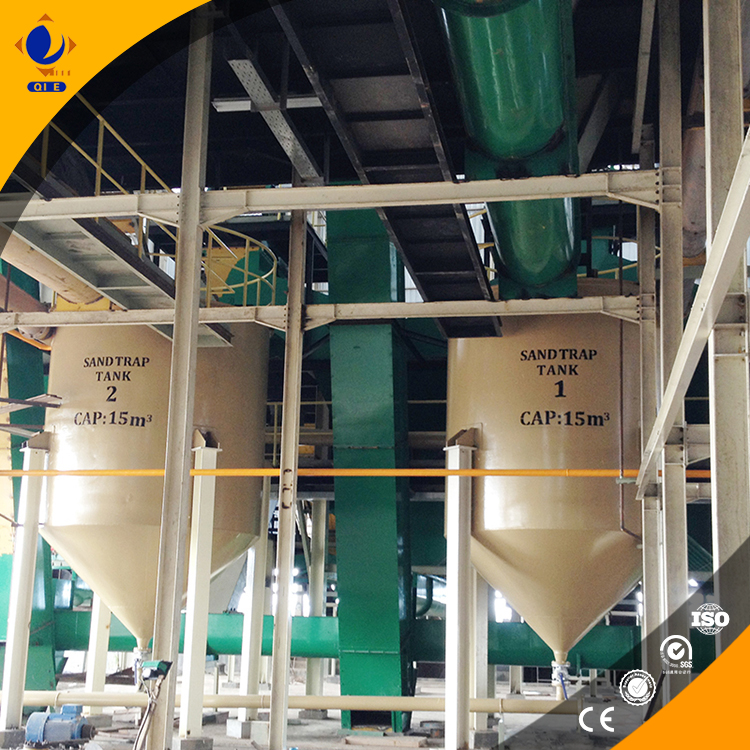
In terms of safety, compliant equipment reduces the risk of accidents and injuries. This not only protects the well - being of the workers but also avoids potential legal disputes and compensation costs.
There are several pain points in the equipment procurement process, such as information asymmetry, cognitive blind spots in regulatory differences, and the misunderstanding that 'high - cost - performance = low - price and low - quality'.
To address these issues, farmers can take several practical steps. For example, they can learn how to verify the authenticity of certifications by checking official databases. They can also collaborate with professional service providers who are well - versed in the regulatory requirements of different countries.

Don't let the fear of compliance hold you back. Understanding compliant equipment can save you from hefty fines and set your farm on the path to long - term success. Click here to learn how compliant equipment can be your key to stable profitability.


