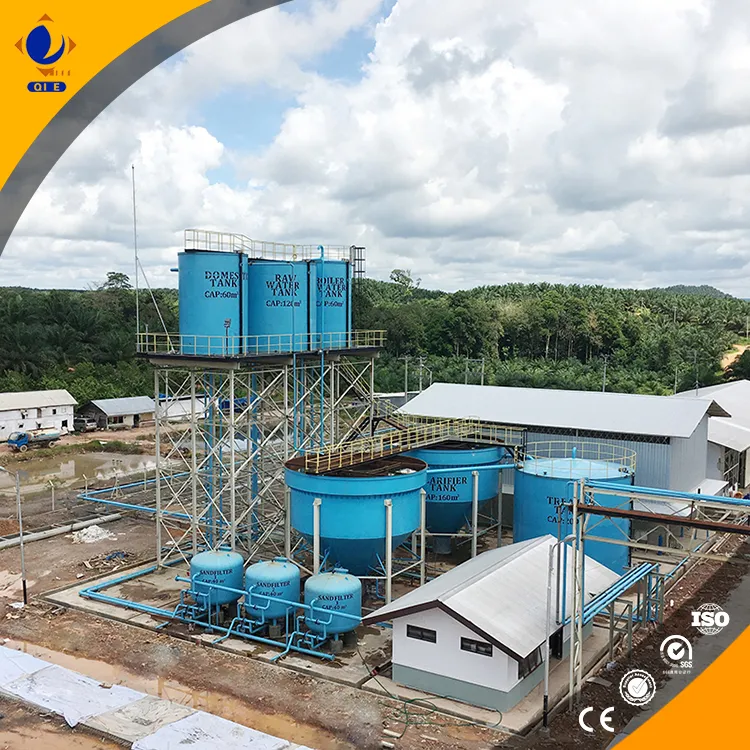
For small and medium-scale palm oil processors, operational efficiency isn’t just about output—it’s about sustainable margins. A recent case study from a Malaysian mill processing 5–7 tons per day shows that switching to automated cold and hot pressing reduced energy consumption by up to 28% while increasing oil yield by 4.2%—a win-win for both cost control and product quality.
Unlike traditional batch presses where temperature fluctuates, modern automated systems maintain precise thermal profiles (typically 45–65°C for cold pressing, 70–90°C for hot). This stability minimizes oxidative damage to fatty acids and improves separation efficiency. According to industry benchmarks from the International Society of Palm Oil Technologists, mills using this method report an average reduction of 15–20% in free fatty acid content compared to manual setups.
One key benefit? Consistent performance. With sensors monitoring pressure, temperature, and feed rate in real time, downtime drops by up to 35%—a critical metric for facilities running 12+ hours daily.
Many smaller mills still rely on outdated hydraulic or screw presses. These often lack feedback loops, leading to over-pressing (which degrades oil quality) or under-pressing (reducing yield). In one audit of 12 Indonesian mills, average energy use was 12.5 kWh/kg crude palm oil—well above the global benchmark of 9.2 kWh/kg.
That’s where automation steps in—not as a luxury, but as a necessity for competitiveness.
A mid-sized mill in Ghana adopted an integrated cold-hot press system in Q1 2023. Within six months:
This wasn’t just about numbers—it was about creating a more predictable, scalable production environment.
Even the best equipment fails without proper care. Here are two pitfalls to avoid:
Pro tip: Keep a logbook for each machine. It’s not just compliance—it’s your first line of defense against unplanned downtime.
If you're managing a palm oil facility and want to reduce waste, boost yield, and improve consistency—without replacing your entire line—you’re already ahead of many competitors. The tools exist. The data speaks. Now it's time to act.